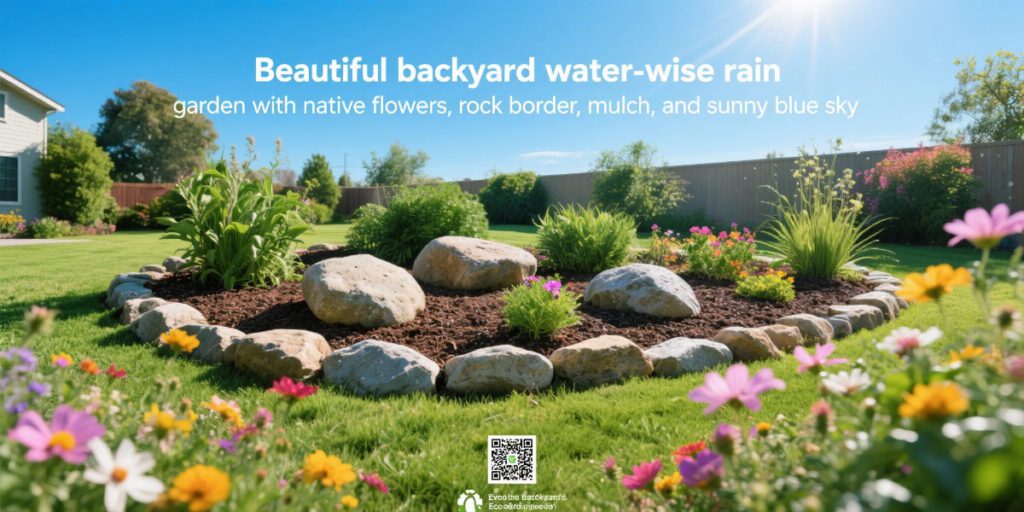
Water‑Wise Rain Garden Design: Smart, Sustainable Landscaping Tips

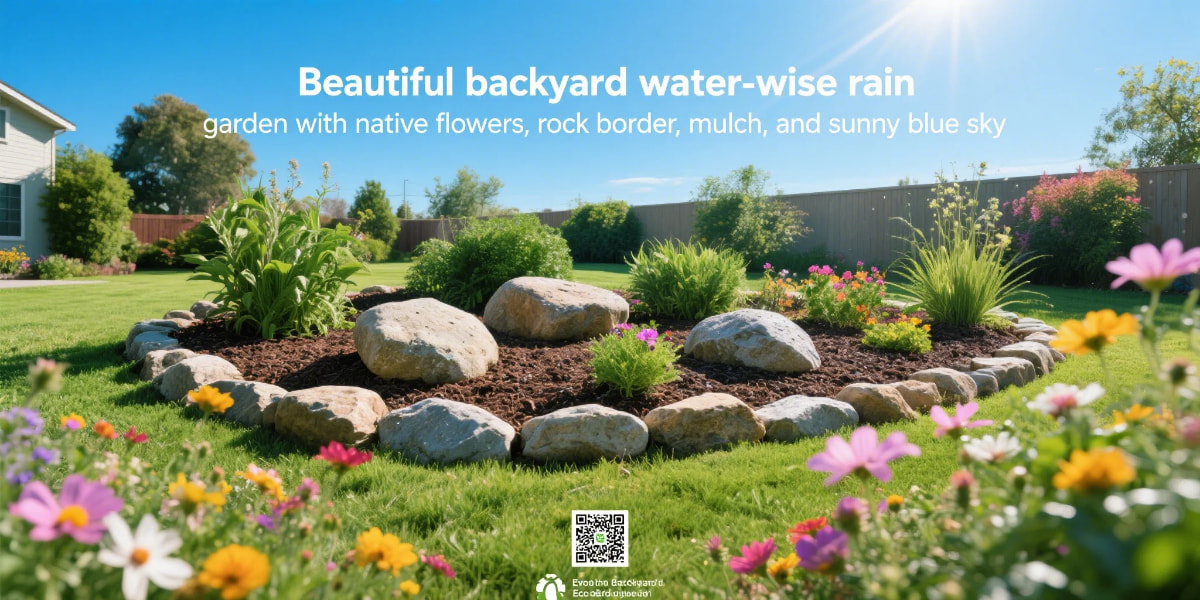
A well-executed water-wise rain garden design is essential in 2025 for homeowners seeking eco-friendly and drought-resistant landscaping solutions.
These gardens help manage stormwater runoff, support native plants, and reduce municipal water use while adding beauty and biodiversity to yards.
🌦️ Why Choose Water‑Wise Rain Garden Design for Your Landscape?
Choosing a water-wise rain garden design allows you to conserve water, protect natural ecosystems, and add seasonal color to your yard.
These gardens collect and filter stormwater runoff, keeping pollutants out of waterways and improving water quality in residential neighborhoods.
🌾 Key Benefits of Water-Wise Landscaping
💧 Reduces Stormwater Runoff
Rain gardens absorb water directly into the soil, preventing urban flooding and reducing erosion on your property or neighborhood walkways.
🦋 Supports Biodiversity and Native Plants
Using native plants in your rain garden attracts pollinators like bees, butterflies, and birds while promoting a self-sustaining, low-maintenance ecosystem.
🔋 Saves Water and Energy
Less irrigation is required for drought-tolerant rain gardens, cutting your water bill and reducing the energy footprint of your garden maintenance.
🧩 Elements of an Effective Water‑Wise Rain Garden Design
To create an efficient water-wise rain garden design, you must plan the garden layout, choose appropriate soil, and select regional native plants.
Proper placement is crucial—install the garden in a low-lying area to capture runoff, and build layers using compost-rich, well-draining soil.
🌼 Best Plants for Water-Wise Rain Gardens by Region
🇺🇸 USA & Canada
- Black-Eyed Susan
- Swamp Milkweed
- Switchgrass
🇬🇧 UK
- Purple Loosestrife
- Marsh Marigold
- Meadowsweet
🇪🇺 Western Europe
- Iris pseudacorus (Yellow Iris)
- Salvia
- Sedum
These native, deep-rooted species help retain moisture and absorb water quickly, improving drainage and long-term soil health.
🛠️ Top Tools & Resources for Rain Garden Planning
- Rain Garden App (University of Connecticut)
- US EPA Rain Garden Manual
- Blue Thumb Plant Selector Tool
- Native Plant Finder (USDA)
- RainScaping Design Templates (Canada)
Use these tools to identify local plant species, drainage zones, and soil mix recipes tailored to your area’s rainfall and climate.
Common Mistakes to Avoid in Rain Garden Installation
❌ Improper Placement
Don’t install rain gardens on septic systems or near foundations—this can lead to long-term water damage or safety hazards.
❌ Wrong Plant Choices
Avoid water-loving exotics. Choose native drought-tolerant species suited for both wet and dry conditions within the same garden basin.
❌ Flat Soil Layers
Failing to slope the garden properly prevents water from flowing into the garden and increases the chance of surface pooling.
🌍 Why Sustainable Landscaping Matters in Developed Countries
In the USA, Canada, UK, and Europe, sustainable landscaping is growing fast due to urbanization, climate change, and water conservation mandates.
Local governments now offer rebates and grants for residents who build water-saving gardens, green roofs, or bioswales to reduce runoff.
❓ FAQs
Q1. What is a water-wise rain garden?
A water-wise rain garden is a shallow, plant-filled depression that collects and filters runoff from rooftops, driveways, or sidewalks.
Q2. Does a rain garden need a lot of maintenance?
No. Once established with native plants, rain gardens need minimal upkeep—mostly seasonal pruning, occasional weeding, and mulching.
Q3. How deep should a rain garden be?
Rain gardens should generally be 4 to 8 inches deep to hold enough water and drain it within 24 to 48 hours.
Q4. Can I build a rain garden in a small yard?
Absolutely! Small-scale designs work well with tight spaces—use mini bioswales and planters to recreate the water-wise benefits.
🎯 CTA: Ready to Build Your Rain Garden?
Start your water-wise rain garden design today to beautify your yard, cut water use, and support the planet—one drop at a time.
Related
Discover more from Ecofriendly
Subscribe to get the latest posts sent to your email.