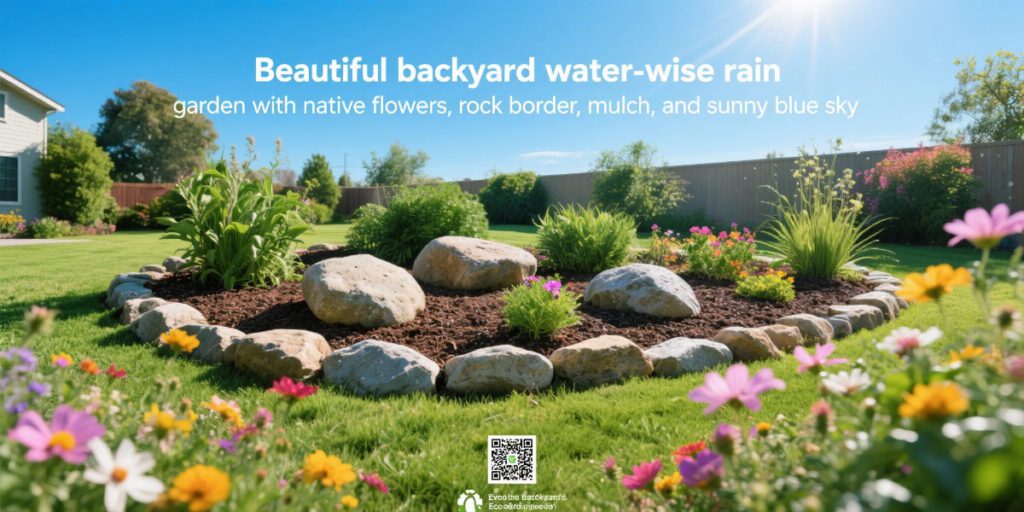
🌿 Native Plant Landscaping Tips: Eco-Friendly Garden Design for Homeowners

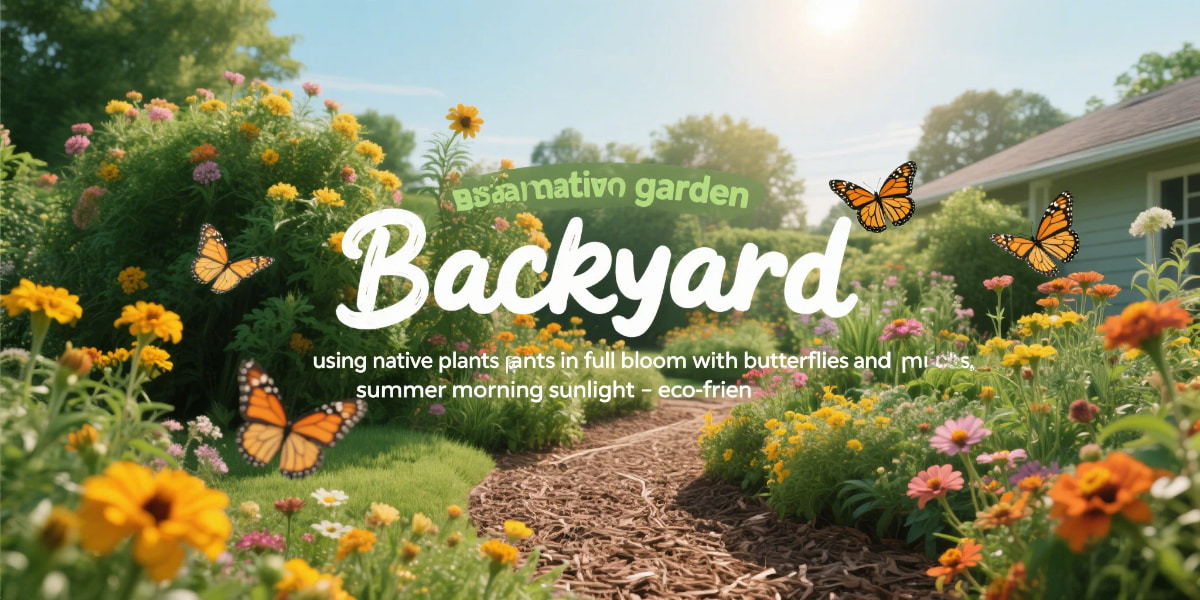
For homeowners in 2025, using native plant landscaping tips is one of the smartest ways to design an eco-friendly and beautiful garden.
Native plants thrive in local conditions, require less maintenance, and support biodiversity, making them perfect for USA, Canada, UK, and EU gardens.
What Is Native Plant Landscaping and Why Should You Care?
Native plant landscaping involves designing your yard with plants naturally adapted to your region’s soil, climate, and wildlife ecosystem.
This approach reduces the need for pesticides, watering, and fertilizers while creating a healthy environment for pollinators, birds, and beneficial insects.
💡 Benefits of Native Plant Landscaping for Eco-Conscious Homeowners
🌎 Supports Local Biodiversity
Native plants provide food and shelter for local wildlife, including bees, butterflies, and birds, which are vital for pollination and pest control.
💧Reduces Water Consumption
Since they’re suited to your area’s rainfall, native plants require less irrigation—helping reduce your water bill and conserving precious resources.
🧪 Low Maintenance and Chemical-Free
With fewer pests and diseases, native gardens require less fertilizer and pesticide, creating a safe, chemical-free environment for families and pets.
🧰 Native Plant Landscaping Tips for a Beautiful, Functional Garden
📍 Know Your Region and Plant Hardiness Zone
Use USDA Plant Hardiness Zones or Royal Horticultural Society tools to find native species that match your local climate.
🪴 Group Plants by Water and Sunlight Needs
Keep plants with similar watering needs together to improve efficiency and avoid overwatering or undernourishment in specific garden areas.
🪨 Add Mulch and Rocks for Soil Health
Use mulch to retain moisture and suppress weeds. Include stones or logs for texture and shelter for ground-dwelling wildlife.
🐦Attract Pollinators with Bloom Sequences
Plant a variety of flowering native plants that bloom across different seasons to support pollinators throughout the year.
🌼 Examples of Popular Native Plants by Region
🇺🇸 USA (Northeast/Midwest)
- Coneflower (Echinacea)
- Bee Balm (Monarda)
- Milkweed (Asclepias)
🇨🇦 Canada (Ontario/BC)
- Wild Columbine
- Black-Eyed Susan
- Goldenrod
🇬🇧 United Kingdom
- Foxglove
- Wild Marjoram
- Yarrow
🇪🇺 Europe (Germany/France)
- Cornflower
- Cowslip
- Harebell
🧠 Use local extension office databases or plant finders to choose accurate species.
🧠 Infographic: Native Plant Landscaping in 5 Steps
1. Identify local plants
2. Design zones by light/water
3. Prepare soil
4. Mulch and add support features
5. Maintain with seasonal pruning
🎨 Design this using Canva or Adobe Express with natural colors and icons.
🔧 Tools & Resources for Garden Planning
- National Wildlife Federation Native Plant Finder (US)
- Wildflower.org Plant Database
- Plantlife UK Native Plant Lists
- Grow Me Instead (Canada)
- iNaturalist Plant ID App
❌ Common Mistakes to Avoid in Native Landscaping
🚫 Planting Invasives by Accident
Avoid “lookalikes” that seem native but spread aggressively and choke out real native species.
🚫 Poor Soil Prep
Native doesn’t mean “no prep.” Ensure your soil drains well and matches the pH needs of your local flora.
🚫 Over-Mulching or Under-Watering Early On
While native plants are low-maintenance later, they need attention during establishment, including careful watering for the first few months.
🌍 H2: Why Native Landscaping Is Booming in the USA, UK, Canada, and Europe
Native plant gardening is rapidly growing in developed nations due to its role in fighting climate change, reducing water stress, and boosting biodiversity.
In places like California, Toronto, and southern England, local governments even offer rebates for homeowners using native plant designs.
❓ FAQs
❓ Are native plant gardens hard to maintain?
No. Once established, they’re low-maintenance—requiring less water, fertilizer, and weeding than traditional lawns.
❓ Can I mix native and ornamental plants?
Yes. As long as the non-natives aren’t invasive, mixing adds variety and supports multiple wildlife groups.
❓ How do I find native plants for my area?
Use tools like Plant Finder, or consult your county extension office or local garden centers for region-specific guidance.
❓ Is native landscaping expensive?
Not at all. Long-term savings on water, chemicals, and maintenance often outweigh upfront plant costs.
🎯 CTA: Start Your Native Landscaping Journey Today!
Ready to transform your yard with native plant landscaping tips? Build a sustainable garden that’s beautiful, low-maintenance, and planet-friendly.
Related
Discover more from Ecofriendly
Subscribe to get the latest posts sent to your email.