

Water-Efficient Homes: The Next Sustainability Wave

Introduction
Water-Efficient Homes are quickly becoming one of the most important pillars of sustainable living in the modern world. As global water scarcity intensifies and utility costs rise, homeowners are actively searching for smarter ways to reduce water usage without sacrificing comfort or lifestyle. In the United States, Canada, the UK, and across Europe, water-efficient housing is now viewed not only as an eco-friendly choice but also as a long-term financial investment. This growing shift signals a new sustainability wave where homes are designed to conserve water, lower environmental impact, and improve overall efficiency.
What Are Water-Efficient Homes?
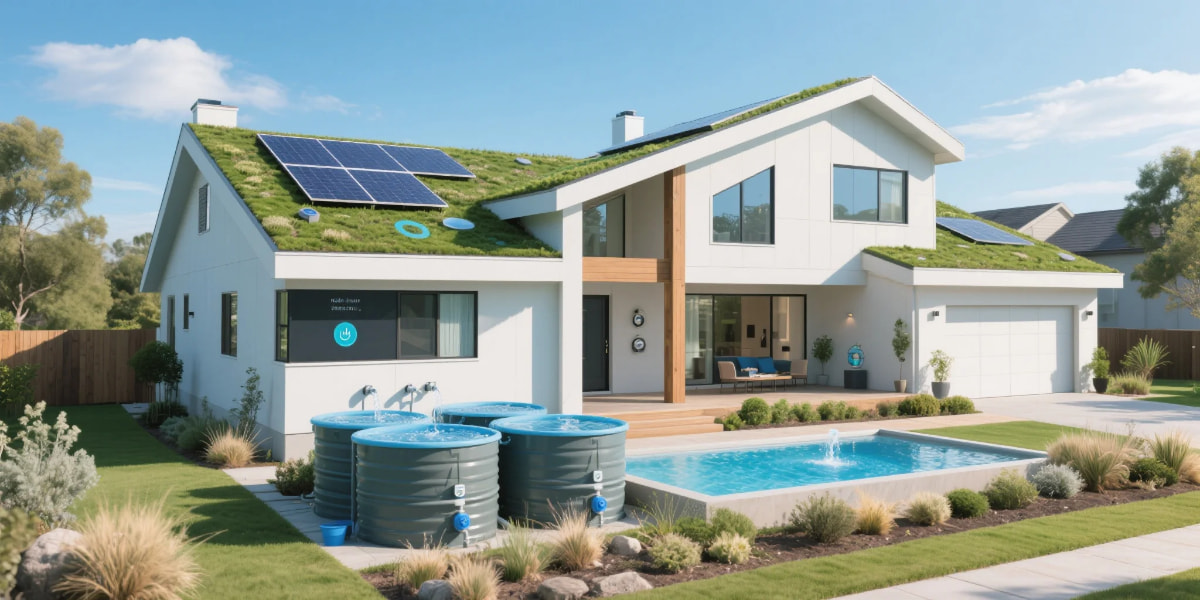
Water-Efficient Homes are residential properties designed to minimize water consumption through smart planning, advanced technologies, and sustainable habits. These homes integrate water-saving fixtures, efficient plumbing systems, rainwater harvesting, and smart monitoring tools to reduce waste. Unlike traditional houses, water-efficient homes focus on using only the water that is truly necessary while maintaining modern living standards.
As a result, homeowners benefit from lower utility bills, reduced strain on local water supplies, and increased property value. Moreover, governments and green building councils increasingly encourage water-efficient construction through incentives and certifications.
Why Water Efficiency Matters in Modern Housing
Water scarcity is no longer a distant concern—it is a present-day reality. Climate change, population growth, and urban expansion have placed enormous pressure on freshwater resources. Therefore, Water-Efficient Homes play a critical role in protecting water availability for future generations.
In developed countries like the USA and the UK, residential water use accounts for a significant portion of total consumption. By adopting water-efficient home designs, communities can reduce demand, stabilize infrastructure costs, and support long-term sustainability goals. Additionally, water efficiency often aligns with broader environmental efforts such as energy conservation and carbon footprint reduction.
Key Features of Water-Efficient Homes
1. Water-Saving Fixtures
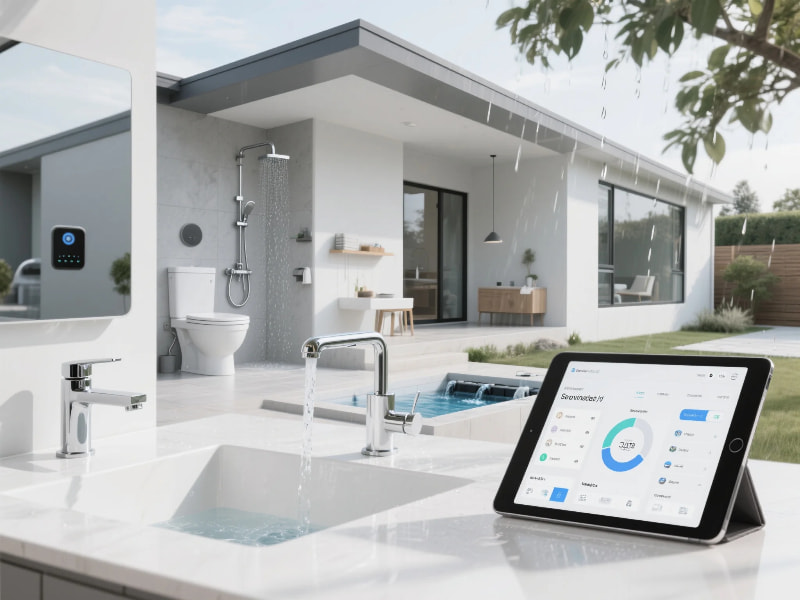
Low-flow faucets, showerheads, and dual-flush toilets significantly reduce daily water use. These fixtures are designed to maintain pressure while using less water, making them ideal for water-efficient homes.
2. Smart Water Management Systems
Smart meters and leak-detection sensors monitor real-time water usage. Consequently, homeowners can identify leaks early and optimize consumption patterns, which improves efficiency and prevents unnecessary water loss.
3. Rainwater Harvesting Systems
Rainwater collection systems store water for non-potable uses such as irrigation and toilet flushing. This feature is especially popular in sustainable housing developments across Europe and North America.
4. Efficient Landscaping
Water-efficient homes often include drought-resistant landscaping, drip irrigation systems, and native plants. As a result, outdoor water use is dramatically reduced while maintaining attractive surroundings.
Benefits of Water-Efficient Homes
Environmental Benefits
By reducing water waste, smart water management systems help preserve freshwater ecosystems and reduce pressure on municipal water systems. This conservation effort supports biodiversity and long-term environmental balance.
Financial Savings
Lower water bills are one of the most immediate advantages. Over time, homeowners can save thousands of dollars, especially in regions with rising water tariffs such as California, Australia, and parts of Europe.
Higher Property Value
Sustainable homes with water-efficient features are increasingly attractive to buyers. Therefore, these homes often command higher resale values and sell faster in competitive real estate markets.
Regulatory Compliance and Incentives
Many governments now promote water efficiency through rebates, tax benefits, and green certifications. Homeowners who invest in water-efficient upgrades may qualify for financial incentives and compliance advantages.
Water-Efficient Homes vs Traditional Homes
Traditional homes often rely on outdated plumbing systems and inefficient appliances. In contrast, smart water management systems are designed with sustainability at their core. While traditional houses may appear cheaper initially, they often incur higher long-term costs due to excessive water usage and maintenance issues. On the other hand, water-efficient homes offer durability, resilience, and long-term cost efficiency.
Future Trends in Water-Efficient Housing
The future of smart water management systems is closely tied to smart technology and green innovation. Artificial intelligence-powered water systems, greywater recycling, and integrated sustainability platforms are becoming more common. Moreover, urban planners are increasingly prioritizing water efficiency in new housing developments.
As climate regulations tighten, water-efficient design will likely become a standard requirement rather than an optional feature. Consequently, early adopters stand to gain both environmentally and economically.
How Homeowners Can Transition to Water-Efficient Living
Transitioning to a smart water management systems does not always require a complete rebuild. Simple upgrades such as installing low-flow fixtures, repairing leaks, and optimizing irrigation systems can make a significant difference. Additionally, homeowners can monitor water usage patterns and adopt water-conscious habits to maximize efficiency.
For those planning new construction, integrating water-efficient systems from the design phase ensures optimal performance and long-term savings.
❓ Frequently Asked Questions (FAQs)
1. What are Water-Efficient Homes?
smart water management systems are residential properties designed to reduce water consumption through smart plumbing systems, water-saving fixtures, efficient landscaping, and modern water-management technologies. These homes help conserve water while maintaining comfort and functionality.
2. How do Water-Efficient Homes save water?
Water-Efficient Homes use low-flow faucets, dual-flush toilets, smart water meters, leak-detection sensors, and rainwater harvesting systems. As a result, unnecessary water waste is minimized, and overall efficiency is improved.
3. Are smart water management systems more expensive to build?
Initially, Water-Efficient Homes may have slightly higher installation costs due to advanced fixtures and systems. However, long-term savings from reduced water bills and maintenance costs often outweigh the upfront investment.
4. Do Water-Efficient Homes reduce utility bills?
Yes, smart water management systems significantly lower monthly water bills. Over time, homeowners can save a substantial amount, especially in regions with high water tariffs like the USA, Canada, the UK, and Europe.
Conclusion
Water-Efficient Homes represent the next sustainability wave in residential living. As water scarcity becomes a global challenge, these homes offer a practical, cost-effective, and environmentally responsible solution. By embracing water-efficient technologies and smart design, homeowners can reduce water consumption, save money, and contribute to a more sustainable future. Ultimately, investing in water-efficient housing is not just a trend—it is a necessity for a resilient and eco-conscious world.
Call to Action (CTA)
Ready to embrace the future of sustainable living? Start upgrading your home today with water-efficient solutions and become part of the next sustainability wave. Small changes now can create a lasting impact for generations to come 🌱💧
Discover more from Ecofriendly
Subscribe to get the latest posts sent to your email.

