The Evolution of Energy-Efficient Homes by 2026

Introduction
The Evolution of Energy-Efficient Homes by 2026 marks a significant shift in how modern houses are designed, built, and operated. Across the United States, Canada, the United Kingdom, and Europe, homeowners are increasingly prioritizing energy efficiency to reduce costs and environmental impact. Rising energy prices, climate concerns, and technological innovation have accelerated the demand for smarter, greener homes.
As a result, energy-efficient housing is no longer a niche concept—it is becoming the foundation of future residential living.
Why Energy-Efficient Homes Matter in 2026 🌍
Energy-efficient homes are essential because they reduce energy consumption while improving comfort and indoor air quality. Moreover, governments worldwide are encouraging sustainable housing through incentives and regulations.
Key Benefits
- Lower monthly utility bills
- Reduced carbon emissions
- Improved home comfort
- Higher resale value
Therefore, the Evolution of Energy-Efficient Homes by 2026 benefits both homeowners and the environment.
Smart Home Technology and Automation 🧠
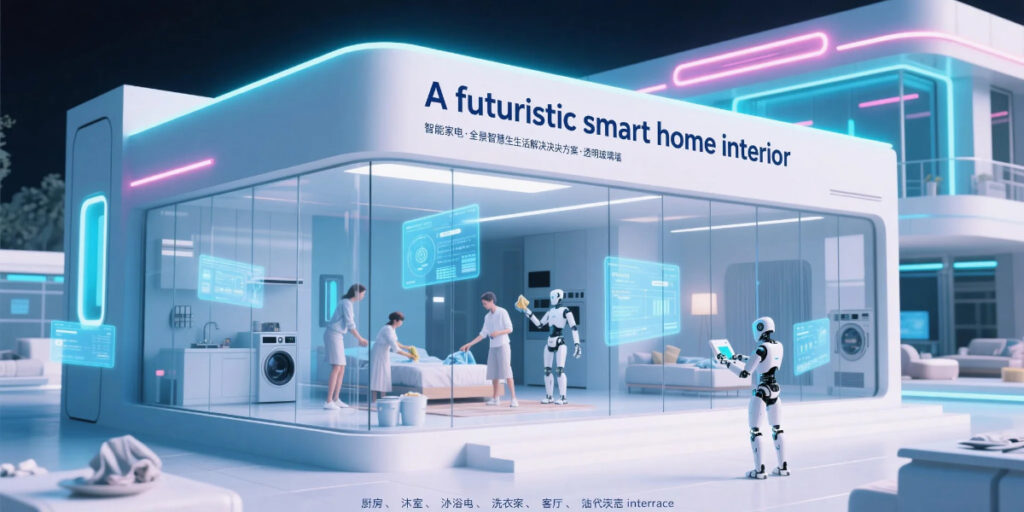
Smart technology plays a crucial role in The Evolution of Energy-Efficient Homes by 2026. Modern homes now use automation to control lighting, heating, cooling, and appliances efficiently.
Smart Thermostats and AI Systems
AI-powered thermostats learn user behavior and adjust temperatures automatically. Consequently, energy waste is reduced without compromising comfort.
Connected Appliances
Smart appliances operate during off-peak hours, helping homeowners save energy and reduce electricity costs.
Renewable Energy Integration ☀️
Renewable energy systems are becoming standard features in energy-efficient homes.
Solar Panels and Battery Storage
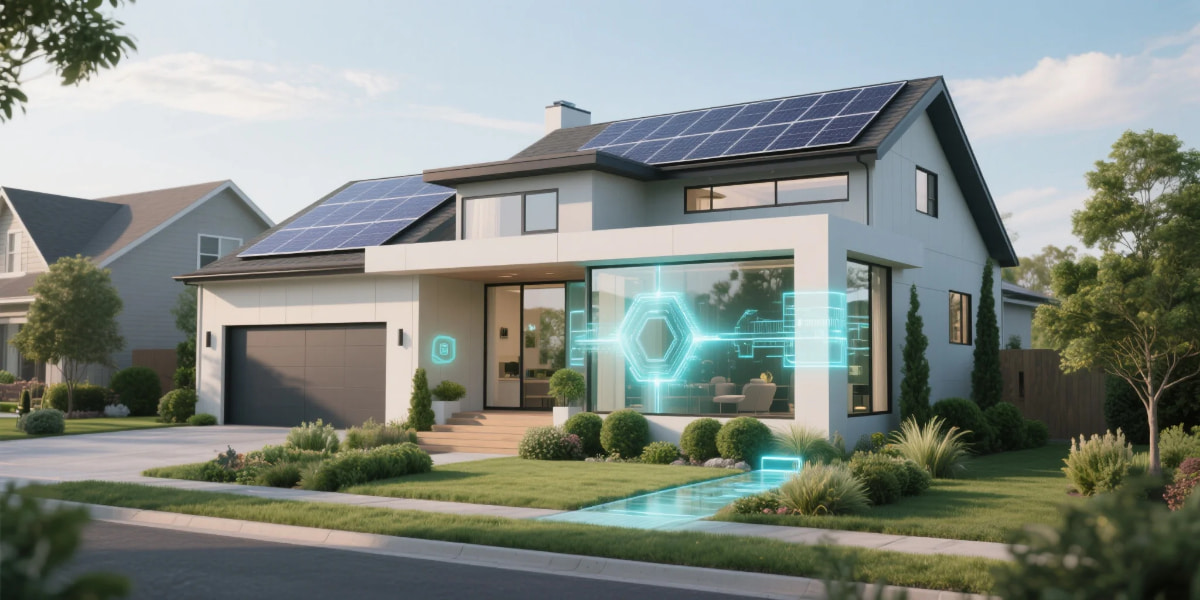
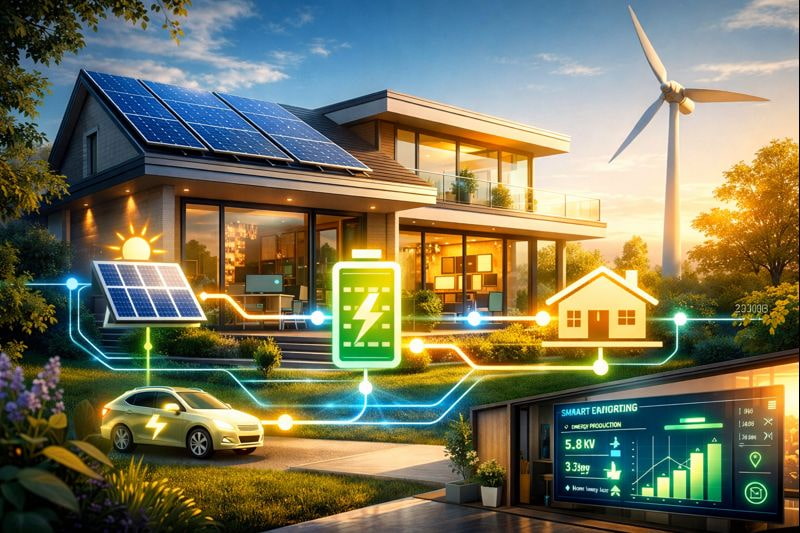
In the USA and Europe, rooftop solar panels combined with home battery systems allow households to generate and store clean energy. This reduces dependence on traditional power grids.
Energy Sharing and Microgrids
Some communities now use microgrids to share excess energy, increasing resilience during power outages.
Net-Zero and Passive Home Design 🏠
Net-zero homes generate as much energy as they consume annually. Meanwhile, passive homes focus on reducing energy demand through intelligent design.
Key Design Elements
- High-performance insulation
- Triple-glazed windows
- Airtight construction
- Heat recovery ventilation
These designs are central to The Evolution of Energy-Efficient Homes by 2026.
Sustainable Building Materials 🧱
Modern energy-efficient homes rely on eco-friendly construction materials that minimize environmental harm.
Popular Materials
- Bamboo flooring
- Recycled steel
- Low-VOC paints
- Insulated concrete forms
Using sustainable materials increases durability while supporting long-term efficiency goals.
Energy-Efficient Heating and Cooling ❄️🔥
Heating and cooling systems account for a significant portion of household energy use.
Heat Pumps
Air-source and ground-source heat pumps provide efficient heating and cooling, even in colder regions like Canada and Northern Europe.
Smart Ventilation Systems
Advanced ventilation systems improve indoor air quality while conserving energy.
Regional Trends in Energy-Efficient Housing 🌎
United States 🇺🇸
Homeowners focus on smart automation, solar power, and government tax credits.
Canada 🇨🇦
Cold-climate efficiency, insulation, and heat pumps dominate housing trends.
United Kingdom 🇬🇧
Energy Performance Certificates (EPCs) influence housing upgrades.
Europe 🇪🇺
Passive house standards and carbon-neutral policies lead innovation.
These trends collectively shape The Evolution of Energy-Efficient Homes by 2026.
Government Incentives and Regulations 📜
Governments play a vital role in promoting energy-efficient homes.
Major Programs
- ENERGY STAR (USA)
- Canada Greener Homes Grant
- UK Green Deal
- EU Energy Performance Directives
These programs reduce upfront costs and encourage adoption.
FAQs ❓
What makes a home energy-efficient in 2026?
Advanced insulation, smart technology, renewable energy, and efficient appliances define modern efficiency.
Are energy-efficient homes affordable?
Although initial costs may be higher, long-term savings outweigh the investment.
Which countries lead in energy-efficient housing?
The USA, Germany, Canada, and Scandinavian countries lead globally.
Conclusion
The Evolution of Energy-Efficient Homes by 2026 highlights a future where sustainability, technology, and comfort work together. As energy-efficient solutions become more accessible, they will define modern housing standards worldwide. Investing in energy-efficient homes today ensures long-term savings, environmental responsibility, and improved quality of life.
Call to Action (CTA) 🔥
👉 Start upgrading your home for energy efficiency
👉 Explore smart and sustainable housing solutions
👉 Build a future-ready energy-efficient home today
Discover more from Ecofriendly
Subscribe to get the latest posts sent to your email.