

Eco-Friendly Renovation Trends in 2026

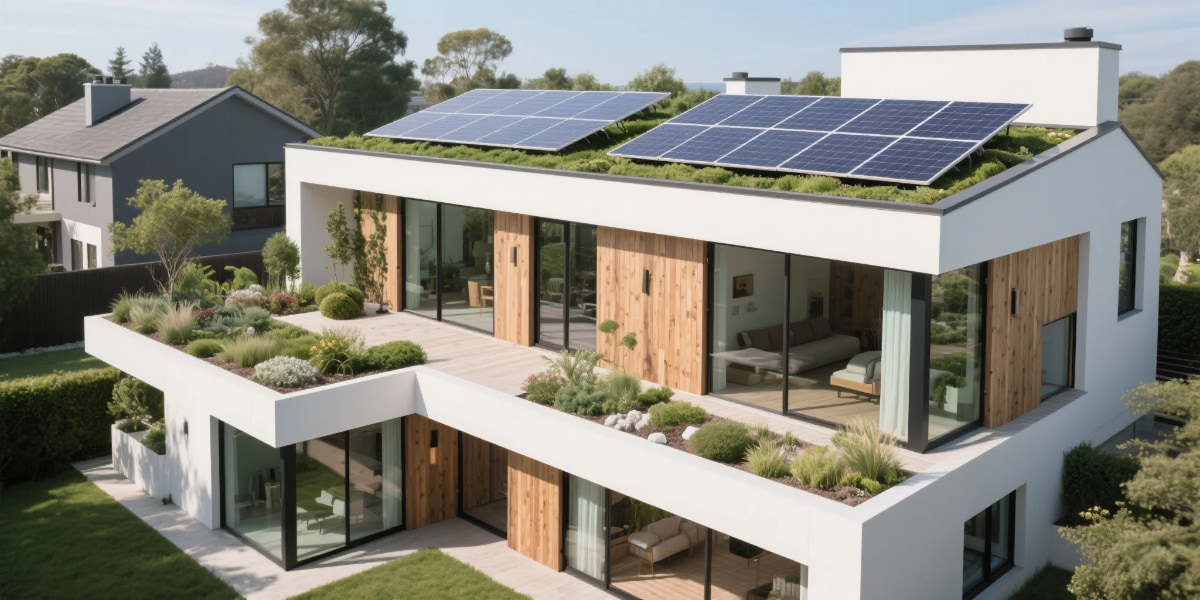
Eco-friendly renovation trends in 2026 are transforming how homeowners across the USA, Canada, the UK, and Europe upgrade their living spaces. As climate awareness grows and energy costs continue to rise, sustainable renovation is no longer a niche idea—it has become a mainstream priority. Homeowners now want renovations that are environmentally responsible, cost-efficient, and future-proof.
In 2026, eco-friendly renovation focuses on reducing carbon footprints, improving energy efficiency, and using sustainable materials without compromising comfort or modern design. These trends are shaping the future of residential remodeling and influencing real estate value across developed countries.
Why Eco-Friendly Renovation Matters in 2026
One of the main reasons Eco-Friendly Renovation Trends in 2026 are gaining popularity is the increasing demand for energy-efficient homes. Governments in the USA, UK, and Europe are offering incentives, tax credits, and rebates for green home upgrades. As a result, homeowners are more motivated than ever to invest in sustainable home renovation solutions.
Additionally, buyers are actively searching for properties with eco-friendly features. Homes with green upgrades often sell faster and at higher prices. Therefore, eco-conscious remodeling is both an environmental and financial decision.
Sustainable Materials Leading Renovation Trends
Sustainable building materials play a critical role in Eco-Friendly Renovation Trends in 2026. Homeowners are increasingly opting for renewable, recycled, or low-impact materials over traditional ones.
Popular materials include bamboo flooring, reclaimed wood, recycled steel, and low-VOC paints. These materials not only reduce environmental harm but also improve indoor air quality. Moreover, sustainable materials are durable, stylish, and suitable for modern home designs.
Using locally sourced materials is also becoming common. This approach reduces transportation emissions while supporting local economies.
Energy-Efficient Home Upgrades in 2026
Energy efficiency remains a core component of Eco-Friendly Renovation Trends in 2026. Smart insulation, high-performance windows, and energy-efficient doors are now standard renovation choices in developed markets.
Solar panels continue to dominate green renovation ideas. In addition, battery storage systems allow homeowners to store renewable energy and reduce reliance on the grid. Heat pumps, energy-efficient HVAC systems, and smart thermostats are also widely adopted.
These energy-efficient home upgrades significantly lower utility bills while reducing greenhouse gas emissions. Over time, the savings often outweigh the initial investment.
Smart Technology and Eco-Friendly Renovation
Smart home technology is closely linked to Eco-Friendly Renovation Trends in 2026. Homeowners are integrating smart lighting, automated climate control, and energy-monitoring systems into their renovations.
Smart systems optimize energy use by adjusting lighting and temperature based on occupancy and usage patterns. This reduces energy waste while improving convenience. In the USA and Europe, smart eco-homes are becoming a benchmark for modern living.
As technology advances, eco-friendly renovation and smart living will become inseparable.
Water-Saving Solutions in Sustainable Renovation
Water conservation is another important aspect of Eco-Friendly Renovation Trends in 2026. Low-flow faucets, water-efficient toilets, and smart irrigation systems are widely used in green renovations.
Rainwater harvesting systems and greywater recycling are also gaining popularity, especially in regions facing water scarcity. These solutions help homeowners reduce water bills while supporting sustainable resource management.
Water-efficient upgrades are simple yet impactful steps toward eco-conscious remodeling.
Indoor Air Quality and Health-Focused Renovation
Modern Eco-Friendly Renovation Trends in 2026 prioritize health as much as sustainability. Poor indoor air quality can affect long-term well-being, which is why non-toxic materials and proper ventilation systems are essential.
Homeowners now prefer natural finishes, chemical-free insulation, and advanced air filtration systems. Green renovations are designed to create healthier living environments for families, children, and elderly residents.
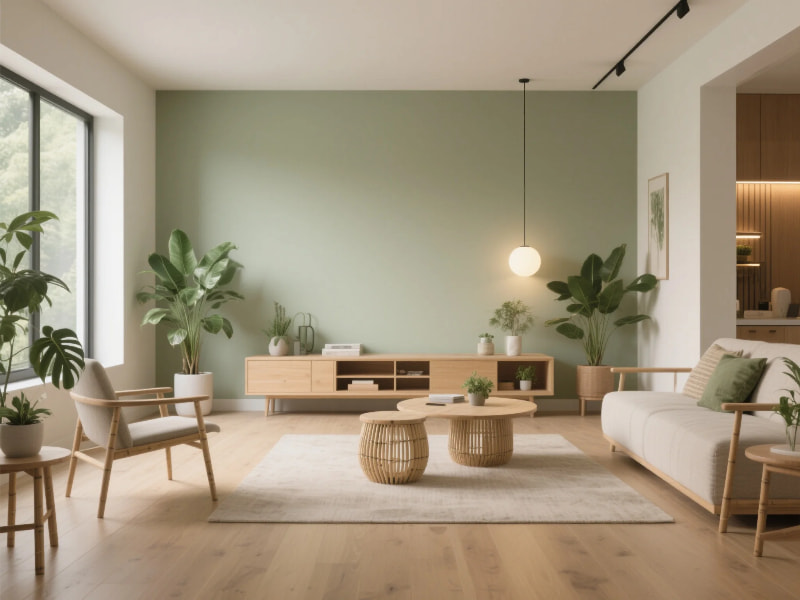
This health-focused approach is especially popular in urban areas across North America and Europe.
Cost vs Value of Eco-Friendly Renovation
A common misconception is that eco-friendly renovation is too expensive. However, Eco-Friendly Renovation Trends in 2026 prove that sustainable upgrades offer strong long-term value.
Energy savings, lower maintenance costs, and increased property value make green renovations financially attractive. In addition, many governments provide financial incentives that reduce upfront costs.
As demand for sustainable homes grows, eco-friendly renovations are becoming a smart investment rather than an optional upgrade.
Future Outlook of Eco-Friendly Renovation
Looking ahead, Eco-Friendly Renovation Trends in 2026 indicate a shift toward fully sustainable living environments. Innovations in materials, renewable energy, and smart technology will continue to redefine home renovation standards.
Homeowners who adopt these trends early will benefit from energy savings, healthier homes, and increased resale value. Sustainable renovation is not just a trend—it is the future of housing.
❓ FAQ
Q1. What are Eco-Friendly Renovation Trends in 2026?
Eco-Friendly Renovation Trends in 2026 focus on sustainable materials, energy-efficient upgrades, smart home technology, and environmentally responsible design to reduce carbon footprint and energy costs.
Q2. Are eco-friendly renovations worth the investment in 2026?
Yes, eco-friendly renovations are worth the investment because they lower long-term energy bills, increase property value, and qualify for government incentives in the USA, Canada, UK, and Europe.
Q3. Which materials are most popular in eco-friendly renovation trends?
Popular materials include bamboo flooring, reclaimed wood, recycled metal, low-VOC paints, and energy-efficient insulation used in modern sustainable homes.
Q4. How do eco-friendly renovations reduce energy costs?
Energy-efficient windows, solar panels, smart insulation, and modern HVAC systems help reduce energy consumption while improving indoor comfort.
Q5. Can eco-friendly renovation improve indoor air quality?
Yes, eco-friendly renovation improves indoor air quality by using non-toxic materials, better ventilation systems, and air-purifying technologies.
Q6. Are there government incentives for eco-friendly renovation in 2026?
Many governments offer tax credits, rebates, and grants for eco-friendly renovations, especially for solar energy systems and energy-efficient home upgrades.
Q7. Is eco-friendly renovation suitable for older homes?
Eco-friendly renovation trends in 2026 are ideal for older homes because insulation upgrades, smart systems, and sustainable materials can modernize any structure efficiently.
🎯 CTA (Call To Action)
Ready to upgrade your home the sustainable way?
Start planning your eco-friendly renovation today and embrace the future of smart, energy-efficient living.
Conclusion
In summary, Eco-Friendly Renovation Trends in 2026 highlight a powerful movement toward sustainability, efficiency, and smart living. From energy-efficient upgrades to sustainable materials and water-saving solutions, green renovation practices are reshaping homes across the USA, Canada, the UK, and Europe.
By embracing eco-friendly renovation today, homeowners can protect the environment, reduce costs, and create healthier living spaces for future generations. Sustainable renovation is no longer a choice—it is a responsibility and an opportunity.
Discover more from Ecofriendly
Subscribe to get the latest posts sent to your email.