

🌍 Sustainable Living in Mega-Cities: Reality vs Expectation

Introduction
Sustainable Living in Mega-Cities has become a powerful global vision as urban populations continue to rise rapidly. Mega-cities like New York, London, Toronto, and Berlin are often portrayed as future-ready hubs of green innovation, smart technology, and eco-friendly lifestyles. However, the reality of sustainable urban living is far more complex. While expectations highlight clean energy, green transportation, and healthier living, real-life challenges often limit how sustainability is practiced in large metropolitan areas.
Understanding the gap between expectation and reality is essential for shaping the future of urban life. This article explores how Sustainable Living in Mega-Cities truly functions, what people expect from it, and what residents actually experience daily.
What Is Sustainable Living in Mega-Cities?
Sustainable Living in Mega-Cities refers to adopting environmentally responsible, socially inclusive, and economically viable lifestyles within densely populated urban areas. It includes energy-efficient housing, reduced carbon emissions, sustainable transportation, waste reduction, and access to green spaces.
Unlike rural or small urban areas, mega-cities face unique sustainability pressures. High population density, increased resource consumption, and infrastructure strain make sustainable living more challenging to implement at scale.
Expectations of Sustainable Living in Mega-Cities
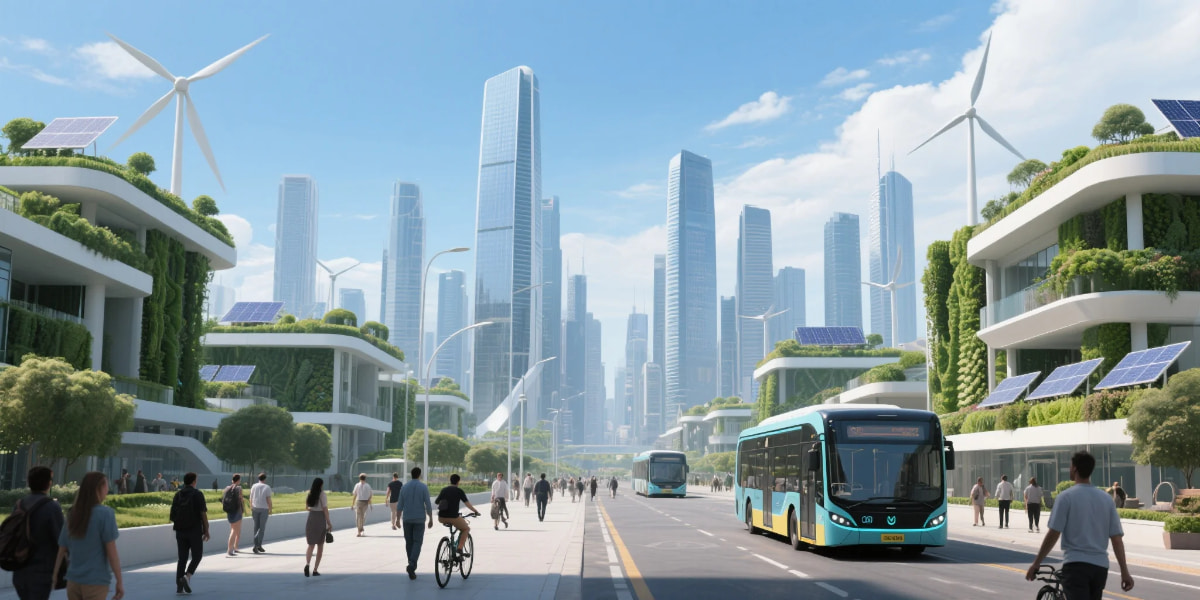
Many people imagine Sustainable Living in Mega-Cities as a seamless blend of technology and nature. Expectations usually include smart cities powered by renewable energy, widespread public transportation, and affordable green housing.
Urban residents also expect better air quality, walkable neighborhoods, and access to parks and eco-friendly services. In developed countries, sustainability is often associated with innovation, digital efficiency, and high-quality urban design.
However, these expectations are shaped largely by media narratives and pilot projects rather than everyday urban reality.
Reality of Sustainable Living in Mega-Cities
In reality, Green living in large citiesoften faces economic and social barriers. Eco-friendly housing remains expensive, making sustainable lifestyles less accessible to middle- and lower-income residents. Green products, organic food, and energy-efficient technologies usually cost more upfront.
Additionally, public infrastructure varies widely within cities. While some neighborhoods enjoy excellent transport and recycling systems, others struggle with pollution, overcrowding, and limited services. This uneven development creates sustainability gaps across urban populations.
Environmental Challenges in Mega-Cities
Mega-cities are responsible for a significant portion of global greenhouse gas emissions. Despite sustainability goals, traffic congestion, industrial activity, and energy consumption remain major environmental challenges.
Green living in large cities depends heavily on effective waste management and renewable energy adoption. Yet, recycling systems are often inefficient, and fossil fuels still dominate energy supply in many urban centers.
Transportation and Urban Mobility
Transportation plays a crucial role in Green living in large cities Public transit systems, cycling lanes, and pedestrian-friendly infrastructure can significantly reduce emissions.
Cities like Amsterdam and Copenhagen demonstrate how cycling culture supports sustainability. However, in many megacities, car dependency remains high due to poor public transport coverage or urban sprawl.
Electric vehicles are growing in popularity, but charging infrastructure and affordability remain limiting factors.
Social and Mental Health Aspects
Sustainability is not limited to the environment alone. Green living in large cities also affects mental well-being and social health. Crowded living conditions, noise pollution, and limited green spaces contribute to stress and anxiety.
Access to nature within cities has been shown to improve mental health. However, green spaces are often unevenly distributed, favoring wealthier areas. True sustainability must address both environmental and social equity.

Role of Policy and Governance
Government policies strongly influence Green living in large cities. Urban planning regulations, climate action plans, and green incentives can drive long-term sustainability.
However, policy implementation often lags behind commitments. Political changes, funding limitations, and competing economic priorities slow progress. Without strong governance and public participation, sustainability goals remain aspirational.
Technology and Innovation in Urban Sustainability
Smart technologies support Green living in large citiesby improving energy efficiency and resource management. Smart grids, data-driven traffic systems, and digital monitoring tools help cities reduce waste and emissions.
Yet, technology alone cannot solve sustainability challenges. Digital inequality and privacy concerns must be addressed to ensure inclusive and ethical urban development.
The Future of Sustainable Living in Mega-Cities
The future of Sustainable Living in Mega-Cities depends on realistic expectations, inclusive policies, and behavioral change. Sustainable urban living is achievable, but it requires cooperation between governments, businesses, and citizens.
Long-term success will rely on affordable green solutions, equitable infrastructure, and a shift toward conscious consumption. Mega-cities can become sustainable, but only if sustainability benefits everyone—not just a privileged few.
❓ Frequently Asked Questions (FAQ)
1. What does Sustainable Living in Mega-Cities really mean?
Sustainable Living in Mega-Cities means adopting eco-friendly lifestyles within large, densely populated urban areas. It includes reducing carbon emissions, using energy-efficient housing, relying on public transportation, managing waste responsibly, and supporting green urban infrastructure.
2. Is Sustainable Living in Mega-Cities realistic or just an ideal concept?
Sustainable Living in Mega-Cities is realistic, but it is not easy. While many cities promote green policies and smart technologies, economic barriers, population density, and infrastructure limitations often slow down real-world implementation.
3. Why is Sustainable Living more challenging in mega-cities than in small cities?
Mega-cities face higher population density, increased energy demand, traffic congestion, and housing pressure. These factors make Sustainable Living in Mega-Cities more complex compared to smaller urban areas, where resources are easier to manage.
4. Which mega-cities are leading in sustainable urban living?
Cities such as Copenhagen, Amsterdam, Vancouver, Stockholm, and parts of New York and London are considered leaders in Green living in large cities due to strong public transportation, renewable energy use, and green urban planning.
Conclusion
Green living in large cities exists between vision and reality. While expectations promise a greener and healthier urban future, real progress requires addressing economic inequality, infrastructure gaps, and social well-being. By aligning policy, technology, and community action, mega-cities can move closer to true sustainability and create livable environments for future generations.
Discover more from Ecofriendly
Subscribe to get the latest posts sent to your email.


