

How City Design Affects Mental Health and Climate

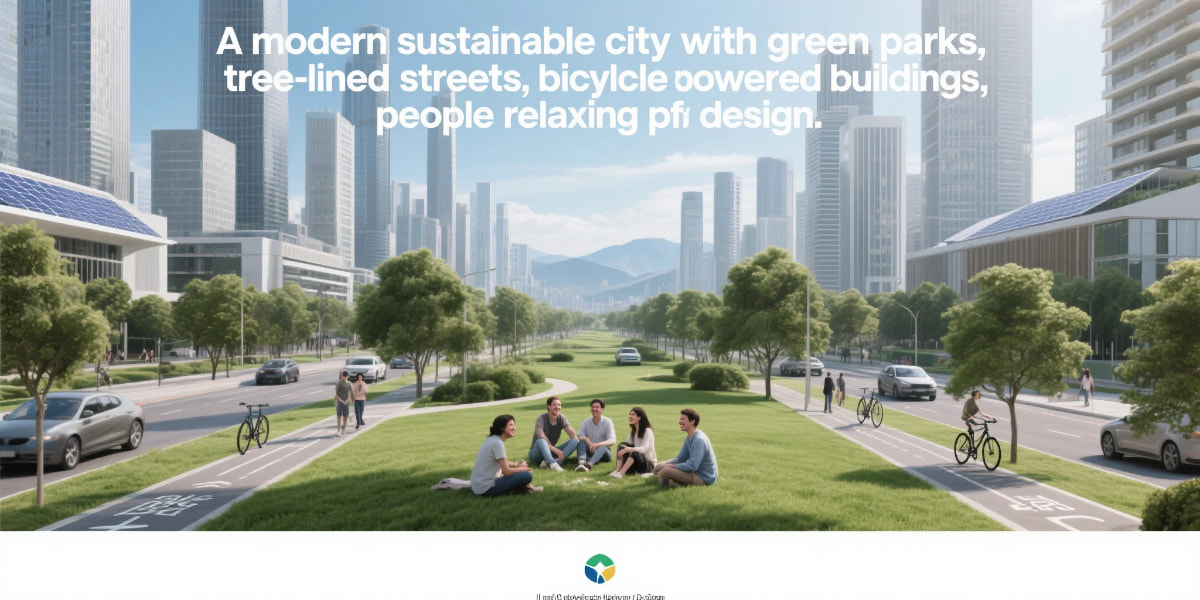
🌍 How City Design Affects Mental Health, and Climate is no longer a theory—it is a scientifically proven reality shaping how millions of people feel, think, and live every day. Modern urban environments are powerful forces that shape both human psychology and environmental outcomes. How City Design Affects Mental Health and Climate is now recognized as a critical issue as cities expand rapidly across developed countries. The way neighborhoods are planned, buildings are constructed, and public spaces are designed directly influences stress levels, emotional stability, and climate resilience.
Cities that prioritize sustainability and human-centered design help reduce mental health challenges while also addressing climate change. In contrast, poorly planned cities increase anxiety, environmental damage, and long-term social costs.
🏙️ Understanding the Connection Between City Design and Mental Health
Urban design determines how people interact with their surroundings every day. How City Design Affects Mental Health and Climate becomes evident through noise levels, overcrowding, air pollution, and lack of access to nature.
Living in dense, noisy, and polluted areas increases psychological stress, sleep disorders, and emotional fatigue. Over time, this constant exposure weakens mental resilience and lowers overall quality of life, especially in major cities across the USA and Europe.
🌿 Green Spaces as a Foundation for Mental and Climate Health
Green infrastructure plays a vital role in explaining How City Design Affects Mental Health and Climate.
🌳 Psychological Benefits of Urban Greenery
Parks, trees, and green corridors reduce anxiety, depression, and mental exhaustion. Access to nature improves concentration, mood, and emotional recovery, especially for children and working adults.
🌎 Climate Benefits of Green Design
Green spaces cool urban temperatures, absorb carbon dioxide, and reduce flood risks. Cities with strong green infrastructure are better prepared for climate extremes while supporting residents’ mental well-being.
🚲 Transportation Systems and Emotional Well-Being
Transportation design strongly influences Climate-resilient cities
🚶♂️ Walkable and Bike-Friendly Cities
Walkable neighborhoods reduce daily stress, encourage physical activity, and improve social interaction. They also lower greenhouse gas emissions by reducing dependence on cars.
🚗 Psychological Costs of Car-Dependent Cities
Traffic congestion, noise pollution, and long commutes increase frustration and anxiety. These systems also contribute heavily to climate change, worsening environmental and mental health challenges.
🏠 Housing Design, Density, and Climate Stress
Housing quality is another key factor in How City Design Affects Mental Health and Climate. Poorly designed buildings with limited ventilation, natural light, and insulation increase emotional discomfort and energy consumption.
🏢 Climate-Resilient Housing
Climate-smart housing uses passive cooling, energy-efficient materials, and natural airflow. These features protect residents from heat stress and reduce climate-related anxiety.
🌡️ Climate Change, Urban Stress, and Emotional Security
Extreme weather events intensify the relationship between city design, mental health, and climate.

🛡️ Climate-Resilient Urban Planning
Flood defenses, cooling corridors, and emergency public spaces help cities adapt to climate risks. When people feel protected, emotional stability and trust in public systems increase.
Cities that ignore climate resilience increase fear, uncertainty, and long-term psychological stress among residents.
🤝 Social Connection Through Better City Design
Community-focused design highlights How City Design Affects Mental Health and Climate beyond physical infrastructure.
Public plazas, shared spaces, and inclusive neighborhoods encourage social bonding, reducing loneliness and improving mental health. These designs also support local economies and reduce carbon-intensive travel.
🌍 Why Future Cities Must Integrate Mental Health and Climate Planning
As urban populations continue to grow, cities must be designed to heal rather than harm. Mental well-being in cities should guide policy decisions, architectural choices, and community planning.
Future cities need to balance environmental sustainability with emotional well-being, ensuring long-term resilience for both people and the planet.
❓ FAQs
Q1: Why does city design impact mental health?
Because urban layout affects stress, noise, mobility, and access to nature.
Q2: Can city design reduce climate anxiety?
Yes, climate-resilient cities increase emotional security and optimism.
Q3: Which cities lead in mental-climate design?
Copenhagen, Toronto, Amsterdam, Stockholm.
✅ Conclusion
In conclusion, How City Design Affects Mental Health and Climate is a defining challenge of modern urban life. Cities that invest in green spaces, sustainable transportation, climate-resilient housing, and community-centered planning create healthier minds and safer environments. Thoughtful city design is no longer optional—it is essential for a sustainable and mentally healthy future.
Discover more from Ecofriendly
Subscribe to get the latest posts sent to your email.