

Why People Feel Guilty About Climate Change

Introduction
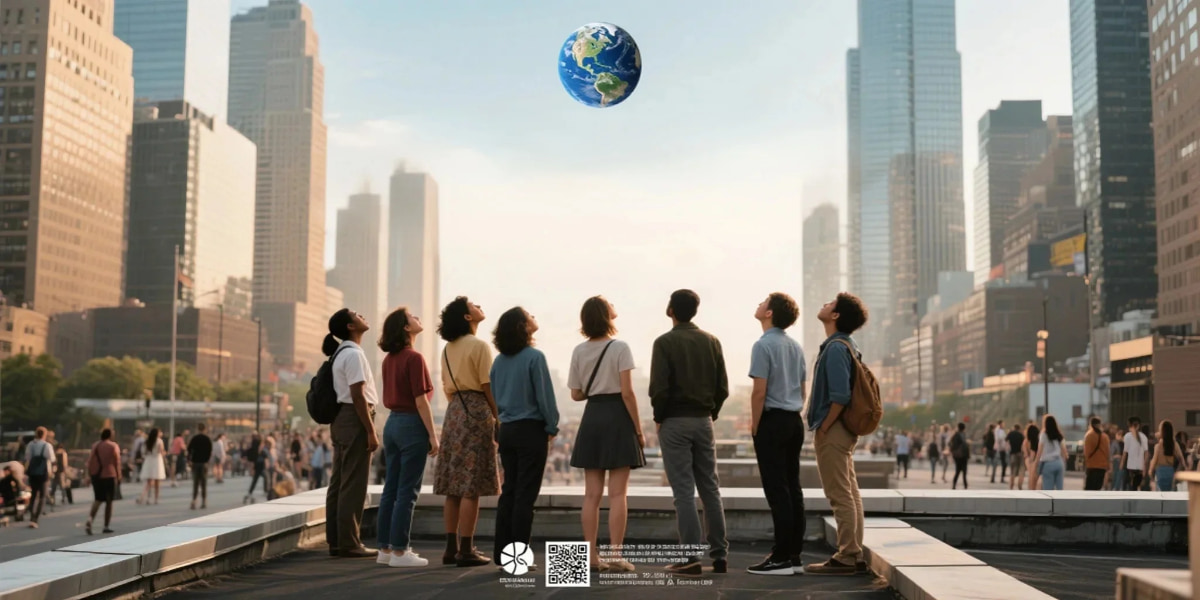
Why People Feel Guilty About Climate Change has become a widely discussed topic as climate awareness continues to rise across the world. In recent years, people in developed countries such as the United States, Canada, the United Kingdom, and across Europe have increasingly experienced emotional discomfort when thinking about their daily lifestyle choices. From driving cars to using plastic products, many individuals feel personally responsible for environmental damage.
This feeling is not accidental. Climate change news, scientific reports, and social media discussions constantly remind people of global warming and environmental decline. As a result, climate guilt has emerged as a powerful emotional response. Understanding why people feel guilty about climate change is essential for building healthier, more constructive approaches to sustainability.
What Is Climate Guilt?
Climate guilt refers to the emotional burden people feel when they believe their actions contribute to climate change. Why People Feel Guilty About Climate Change is closely tied to moral responsibility and environmental awareness. Many individuals feel they are not doing enough, even when they make small eco-friendly efforts.
This guilt often appears when people:
- Use fossil fuels
- Consume fast fashion
- Waste food or water
- Travel frequently by air
Although these behaviors are common in modern life, constant reminders of their environmental impact make people feel personally accountable.
The Psychology Behind Climate Guilt
Understanding why people feel guilty about climate change requires exploring human psychology. Guilt is a moral emotion that arises when individuals believe they have violated ethical standards. Climate change transforms global environmental issues into personal moral concerns.
Moral Responsibility
People often internalize climate responsibility, believing individual behavior alone can stop climate change. This creates pressure, especially when systemic solutions are needed.
Fear and Anxiety
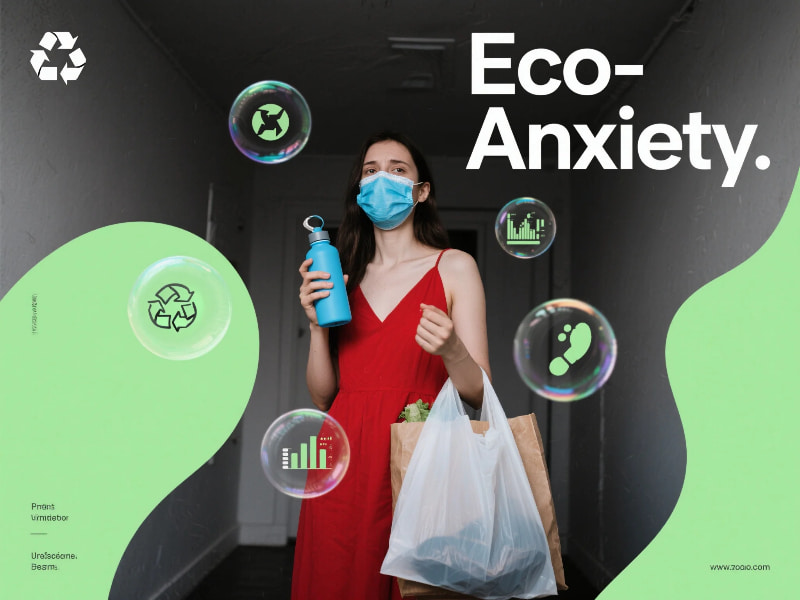
Climate-related disasters, such as wildfires and floods, increase eco-anxiety. This anxiety fuels guilt, as people fear future consequences of inaction.
Cognitive Dissonance
Many people value sustainability but live high-consumption lifestyles. This contradiction intensifies guilt and emotional stress.
Media Influence and Social Pressure
One major reason why people feel guilty about climate change is continuous media exposure. News outlets, documentaries, and social platforms frequently highlight environmental crises. While awareness is important, excessive exposure can overwhelm individuals.
Social media also plays a role. Seeing influencers promote zero-waste lifestyles or electric vehicles can create unrealistic expectations. As a result, people compare themselves to others and feel inadequate, even when they are trying.
Why Climate Guilt Is Stronger in Developed Countries
Why People Feel Guilty About Climate Change is particularly relevant in developed nations. Countries like the USA, Canada, and the UK have higher per-capita carbon emissions. Citizens are aware that their comfort-driven lifestyles contribute disproportionately to global emissions.
Key reasons include:
- Higher consumption levels
- Greater access to climate education
- Strong environmental movements
- Cultural emphasis on personal responsibility
People in these regions often feel a deeper moral obligation to act.
Is Climate Guilt Helpful or Harmful?
Climate guilt can be both motivating and damaging. On the positive side, it encourages sustainable behaviors such as recycling, reducing energy use, and supporting environmental policies. However, excessive guilt can be harmful.
Unhealthy climate guilt may lead to:
- Chronic stress
- Feelings of helplessness
- Burnout
- Avoidance of climate information
Therefore, understanding why people feel guilty about climate change is important to ensure guilt leads to action rather than paralysis.
The Difference Between Responsibility and Self-Blame
It is important to distinguish responsibility from self-blame. Why People Feel Guilty About Climate Change often stems from believing individual actions alone must fix global problems. This belief is unrealistic.
Climate change is largely driven by industrial systems, policy decisions, and corporate emissions. While individual actions matter, collective and structural changes are far more impactful. Shifting from guilt to shared responsibility creates healthier engagement.
Healthy Ways to Respond to Climate Guilt
Instead of allowing guilt to dominate emotions, people can adopt healthier responses.
Focus on Collective Action
Supporting environmental organizations, voting for climate-friendly policies, and joining community initiatives reduce the burden of individual guilt.
Set Realistic Goals
Small, consistent changes are more effective than extreme lifestyle shifts that cause burnout.
Limit Doom-Scrolling
Constant exposure to negative climate news can increase anxiety. Balanced information consumption supports mental well-being.
Talk About Eco-Anxiety
Open conversations about climate emotions help normalize feelings and reduce isolation.
Climate Guilt and Mental Health
Mental health professionals increasingly recognize climate guilt as part of eco-anxiety. Why People Feel Guilty About Climate Change is now studied in psychology and environmental science. While guilt is not a disorder, unmanaged emotional stress can affect well-being.
Organizations such as the American Psychological Association emphasize emotional resilience and community engagement as key coping strategies.
Can Climate Guilt Lead to Positive Change?
Yes—when guided properly. Climate guilt becomes productive when it motivates informed action rather than self-criticism. Understanding why people feel guilty about climate change helps individuals redirect emotions toward meaningful impact.
Positive outcomes include:
- Increased environmental advocacy
- Support for renewable energy
- Sustainable consumer choices
- Long-term lifestyle awareness
The Role of Education
Education plays a crucial role in addressing climate guilt. When people understand the complexity of climate systems, they realize that no single individual is responsible. Knowledge reduces unrealistic self-blame and encourages informed participation.
Educational initiatives in Europe and North America increasingly focus on climate literacy and emotional resilience.
Frequently Asked Questions
Why do people feel personally guilty about climate change?
Because environmental messaging often emphasizes individual behavior, leading people to internalize responsibility.
Is climate guilt common?
Yes, especially in developed countries with high environmental awareness.
How can climate guilt be managed?
By focusing on collective solutions, realistic goals, and emotional well-being.
Conclusion
Why People Feel Guilty About Climate Change reflects a growing global awareness rather than personal failure. Climate guilt shows that people care deeply about the planet. However, guilt should not become a source of despair.
When transformed into shared responsibility, education, and collective action, climate guilt can become a powerful driver of positive change. By understanding emotions and embracing realistic solutions, individuals can contribute to sustainability without sacrificing mental well-being.
Discover more from Ecofriendly
Subscribe to get the latest posts sent to your email.