

Sustainable Urban Transportation: Eco-Friendly Ways to Move Through the City

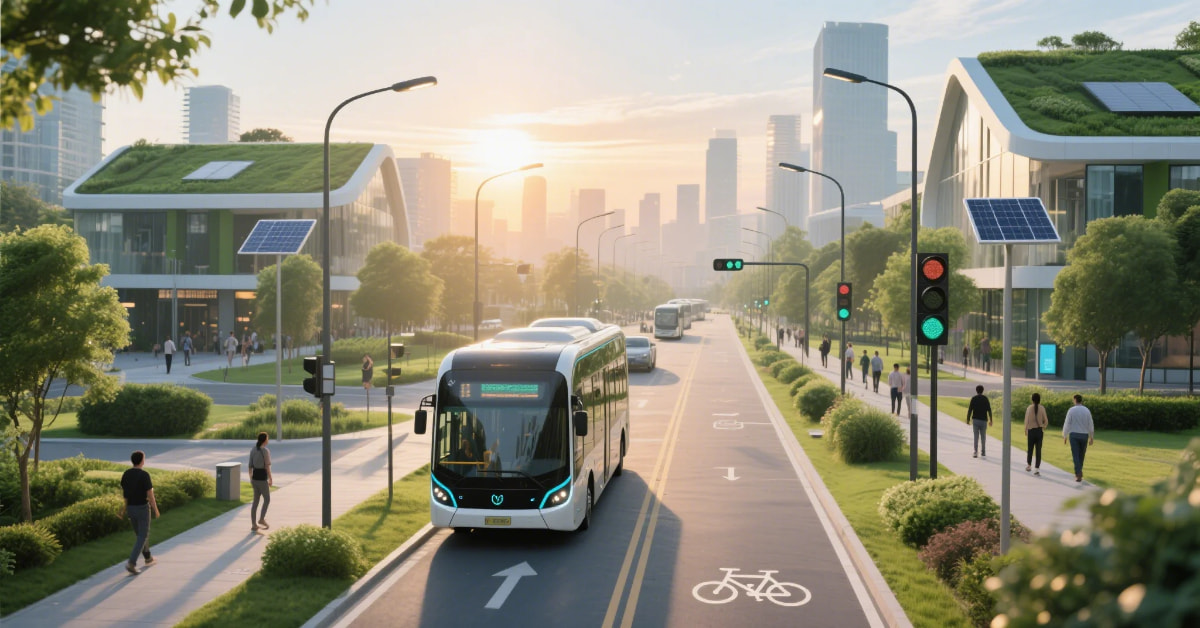
Modern cities demand cleaner, smarter mobility. Sustainable urban transportation systems are helping people move efficiently while protecting the planet. With growing climate concerns and rapid urbanization, eco-friendly transport has become essential across the USA, UK, Canada, and the EU.
🚲 What Is Sustainable Urban Transportation and Why Does It Matter
Sustainable urban transportation refers to transport systems that reduce pollution, energy use, and congestion in cities. These systems include electric vehicles, cycling infrastructure, public transit, carpooling apps, and pedestrian-friendly designs.
🚇 Benefits of Eco-Friendly Urban Mobility Systems
✅ Environmental and Public Health Improvements
Eco-conscious commuting lowers harmful gases like CO₂ and NOx. This results in better air quality and fewer respiratory illnesses for city dwellers.
✅ Economic and Social Advantages
Accessible, affordable public transit allows better job access, reduces traffic, and increases equity in underserved urban neighborhoods.
🛴 Smart Mobility Innovations Shaping City Transport
⚙️ Electric Vehicles and Charging Networks
Widespread adoption of electric buses, scooters, and cars reduces fossil fuel dependence and keeps noise pollution levels low in dense areas.
⚙️ AI-Driven Traffic and Ride-Sharing Systems
AI-powered apps help reduce wait times and optimize route planning for commuters using public transit or shared electric vehicles.
🛤️Sustainable Transport in the USA, UK, Canada, and EU
USA
New York and San Francisco invest heavily in electric buses and smart traffic systems to reduce emissions and improve access.
Canada
Toronto and Vancouver lead with bike-sharing programs and walkable infrastructure promoting low-emission urban lifestyles.
UK
London’s Ultra Low Emission Zone (ULEZ) policy encourages the use of public transportation and electric taxis for cleaner commutes.
Europe
Amsterdam and Copenhagen are world leaders in cycling infrastructure and sustainable urban planning to combat vehicle overuse.
🚦 How to Make Your City Commute More Sustainable
Here are practical ways citizens can support sustainable urban transportation today:
- Use the metro, buses, or trams instead of driving.
- Choose electric bikes or scooters for short trips.
- Share rides with carpooling apps like BlaBlaCar or Lyft Line.
- Support city initiatives for more bike lanes and footpaths.
Recommended Tools for Greener City Travel
🔧 Tools:
- Citymapper – Smart route planner for eco-friendly city navigation.
- Transit App – Real-time public transit tracking across the U.S., UK, and Canada.
- Lime – E-scooter sharing for short, sustainable rides.
- Google Maps Green Routes – Suggests the most fuel-efficient driving and cycling paths.
- Bikemap – A Navigation tool for cycling in over 100+ major cities.
❓ FAQs About Sustainable Urban Transportation
🔹 Q1: What qualifies as sustainable urban transportation?
Transport options that minimize environmental impact—like biking, walking, public transit, and electric vehicles—are sustainable.
🔹 Q2: Which cities are leading in sustainable transport?
Amsterdam, London, San Francisco, and Copenhagen are known for bike lanes, public transit, and electric vehicle incentives.
🔹 Q3: Is walking or cycling impactful?
Yes! Active transport reduces emissions, improves health, and eases congestion in cities globally.
🔹 Q4: How can governments support this movement?
By funding infrastructure, offering subsidies, and promoting awareness through policies and innovation hubs.
Switching to sustainable urban transportation isn’t just about reducing emissions—it’s about creating livable, healthy, future-ready cities. Advocate for cleaner mobility. Choose eco-friendly routes today. Together, we can change how the world moves
Related
Discover more from Ecofriendly
Subscribe to get the latest posts sent to your email.