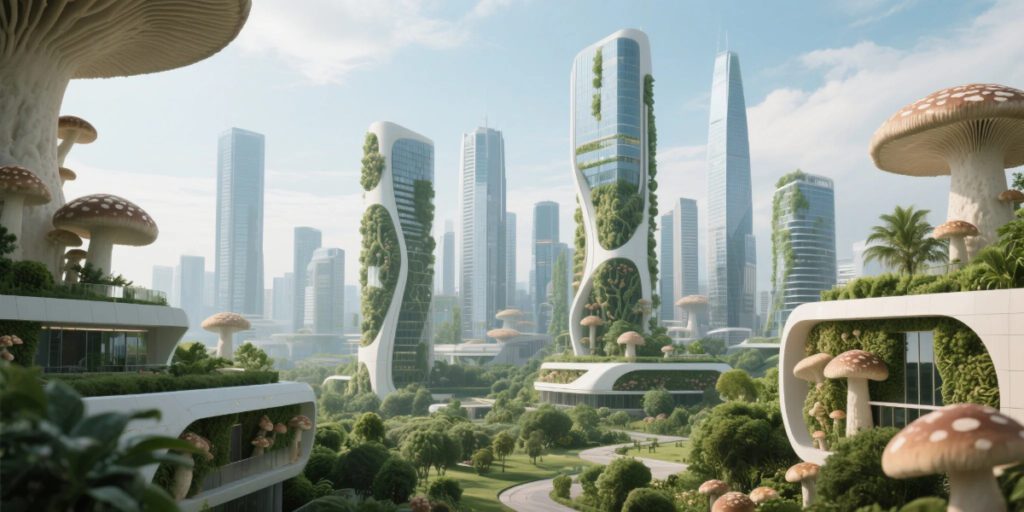
🏡 Smart Eco Homes 2030 – The Future of Sustainable Living Awaits Us


🌍 Introduction – The Dawn of Smart Eco Homes 2030
Welcome to the era of Smart Eco Homes 2030, where sustainability merges seamlessly with intelligent design. Moreover, as the world rapidly shifts toward green energy and digital transformation, our living spaces are evolving dramatically. These innovative homes integrate eco-friendly materials, renewable energy sources, and AI-powered smart systems to create lifestyles that are efficient and environmentally responsible.
By 2030, such homes will not only reduce energy consumption — they will also actively support global climate goals and enhance personal well-being. Additionally, smart living redefines how we build, interact with nature, and shape our daily routines.
Consequently, let’s explore what Smart Eco Homes 2030 truly means for our planet and the sustainable future ahead. 🌱
⚡ The Concept Behind Smart Eco Homes 2030
Sustainable smart homes are more than a trend — they represent the next generation of sustainable architecture. Furthermore, these homes merge renewable energy, automation, and eco-friendly materials to minimize waste and boost efficiency.
♻️ The Core Principles of Green Smart Living
- Energy Efficiency: Solar panels, energy-saving appliances, and AI-powered thermostats
- Sustainable Materials: Bamboo flooring, recycled glass, and eco-cement
- Smart Automation: IoT systems that monitor and control lighting, temperature, and water use
- Zero Waste Design: Circular construction practices and home composting systems
As a result, these principles ensure that by 2030, Smart Eco Homes 2030 will significantly reduce carbon footprints while providing as unmatched comfort.
☀️ Renewable Energy Integration in Sustainable Smart Homes
The backbone of every Smart Eco Home 2030 is renewable energy. For instance, solar roofs, such as Tesla Solar Roof, and advanced battery storage systems allow modern homes to become energy-independent. In addition, wind microturbines and smart grids are expected to become common, especially in suburban areas.
🌱 How EnergyStar and LEED Influence Smart Housing
Platforms like EnergyStar.gov and LEED Green Building Council set global benchmarks for energy-efficient homes. Consequently, they guide builders and homeowners toward eco-smart solutions. By 2030, compliance with such programs is projected to become standard for new constructions in developed countries.
🧠 Artificial Intelligence in Smart Eco Homes 2030
Artificial intelligence plays a central role in optimizing Smart Eco Homes 2030.Moreover, these systems learn homeowners’ routines, automatically adjusting lights, temperature, and energy use for maximum efficiency.
🤖 AI Tools That Power the Future Home
- SmartThings Hub (SmartThings.com) – controls home devices and automates tasks
- Google Nest AI – learns routines and conserves energy
- EcoBee Smart Sensor – adjusts comfort based on room occupancy
As a result, Smart Eco Homes 2030 move beyond convenience — they become intelligent partners in sustainable living.
🌿 Eco-Friendly Design Trends Shaping 2030 Homes
Design aesthetics in Smart Eco Homes 2030 prioritize natural light, modular layouts, and breathable materials. Additionally, green roofs and vertical gardens enhance urban eco-living by improving air quality and regulating temperature.
🪴 Top Sustainable Design Elements
- Passive solar architecture
- Smart ventilation and insulation
- Water recycling and greywater systems
- Home biophilic design for better health
Consequently, each element ensures that sustainability remains central to smart living.
🏙️ Urban Transformation Through Sustainable Smart Homes
Cities are adapting to accommodate the rise of smart eco-homes. Moreover, governments in the USA, Canada, the UK, and the EU offer tax benefits and green housing grants to promote sustainable construction.

🏗️ Smart Eco Cities and Community Living
By 2030, neighborhoods will integrate smart grids, electric vehicle charging networks, and community solar farms. As a result, emissions will decrease, air quality will improve, and energy-resilient cities will thrive on innovation.
💧 Water Management & Waste Reduction Technologies
Smart Eco Homes 2030 will revolutionize water management. For example, intelligent irrigation, greywater recycling, and AI-controlled purification systems reduce waste. In addition, smart composters and waste segregators help households achieve near-zero waste.
🚰 Smart Tools for Sustainable Water Use
- Hydrao Smart Shower – monitors water consumption
- Phyn Smart Water System – detects leaks in real-time
- EcoWater Filters – ensure cleaner, sustainable water use
🌎 Economic and Environmental Benefits of Smart Eco Homes 2030
Adopting Smart Eco Homes 2030 brings substantial advantages. Although initial costs may be high, long-term savings in energy, water, and maintenance outweigh them.
💰 Key Benefits
- 40–60% lower energy bills
- Increased property value
- Improved indoor air quality
- Contribution to climate change goals
As a result, sustainable living becomes a lifestyle — not a luxury.
🏠 Smart Eco Homes 2030 and Personal Well-being
Smart living isn’t just about technology — it’s about health. Moreover, eco-friendly paints, air filtration systems, and organic interiors enhance mental and physical well-being. Additionally, AI-driven lighting systems align with circadian rhythms for better sleep.
🧩 Challenges on the Road to 2030
Despite rapid progress, Smart Eco Homes 2030 face challenges: high installation costs, technology dependency, and regional access disparities. Therefore, governments must collaborate with innovators to make these homes affordable and widespread.
🧭 The Road Ahead – What Awaits Us in 2030
By 2030, smart eco-living will be standard, not optional. In addition, homes will act as mini power stations, feeding energy back into smart grids and maintaining self-sufficiency. Consequently, the future promises connected, eco-conscious lifestyles that balance human comfort with environmental care.
❓ FAQs About Sustainable smart homes
Q1: What makes Smart Eco Homes different from traditional homes?
A: They integrate automation, renewable energy, and sustainable materials to minimize carbon impact and optimize efficiency.
Q2: Are Smart Eco Homes affordable?
A: Costs are decreasing due to advances in solar, AI, and smart construction so technologies.
Q3: Which countries lead Smart Eco Home innovation?
A: The USA, Canada, the UK, and the EU are major leaders in smart, sustainable home policies and technologies.
📢 Call to Action (CTA)
Ready to explore Smart Eco Homes 2030? Visit trusted resources like Ecohome.net or EnergyStar.gov to start your sustainable living journey today. Choose smart. Choose green. Choose the future. 🌱
🔚 Conclusion
The future is smart, sustainable, and self-sufficient. Smart Eco Homes 2030 leads this revolution — combining technology, design, and nature in perfect harmony. Moreover, as we move toward a greener tomorrow, these homes represent the blueprint for sustainable human living. Moreover, embrace innovation, live consciously, and shape the future — one smart home at a time.
Discover more from Ecofriendly
Subscribe to get the latest posts sent to your email.