

Outline of Sustainable Living in the Next Decade

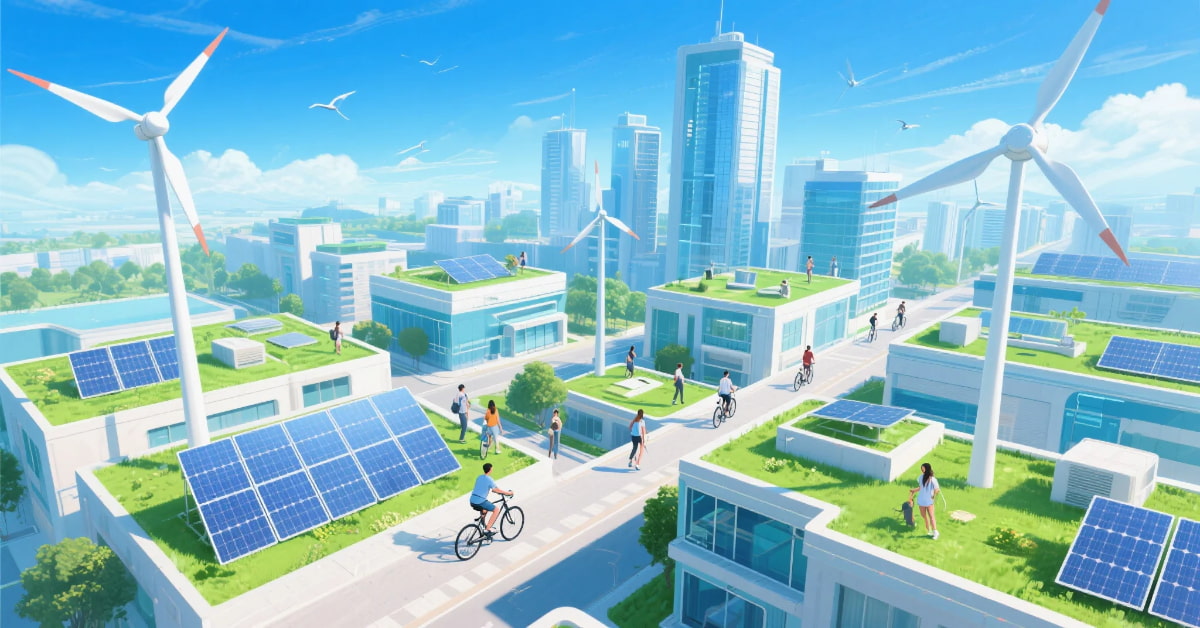
The concept of sustainable living in the next decade will shape how we build communities, consume energy, and live responsibly every day. Climate concerns, urban pressures, and changing societal values are fueling this shift toward sustainable choices across the globe.
Why Sustainable Living Will Define the Next Decade
Sustainable living in the next decade will focus on reducing carbon footprints through smarter lifestyle decisions in energy, food, and transportation. From green living goals 2035 to embracing zero-waste routines, individuals will increasingly value environmental accountability.
Governments in the USA, UK, Canada, and Europe are now drafting laws promoting renewable energy, ethical farming, and eco-conscious city planning. These changes are paving the way for communities to adopt clean energy alternatives and smart home systems that reduce dependence on fossil fuels.
Top Eco-Friendly Living Trends to Watch by 2035
One of the most significant eco-friendly living trends is the emergence of net-zero homes. These homes produce as much energy as they consume, using solar panels, natural ventilation, and green roofs. By 2035, these will likely become the norm in urban housing development.
In addition, plant-based diets and local food sourcing will gain prominence. Composting organic waste and reducing meat intake will be key steps to minimizing environmental impact. Smart cities will include infrastructure that supports cycling, walking, and electric public transport.
Sustainable Home Practices That Will Shape the Future
Sustainable home practices include using smart thermostats, energy-efficient appliances, and water-saving fixtures that drastically reduce resource consumption. Rainwater harvesting and greywater systems will help homes become more self-reliant.
Sustainable living in the next decade will also depend on eco-conscious consumer behavior. Households will reduce single-use plastics, use refill stations, and opt for biodegradable alternatives in daily life. These practices will not only benefit the environment but also reduce monthly expenses.
Zero-waste kitchens, bulk buying, and reusable containers will dominate future homes. Conscious waste segregation and recycling programs will be integrated into smart home ecosystems to track and optimize usage patterns.
Technology and Tools Empowering Climate-Conscious Lifestyles
Technology will play a major role in shaping a climate-conscious lifestyle. Mobile apps like JouleBug and iRecycle will educate and empower users to track emissions, recycle better, and adopt green behaviors.
Blockchain will increase transparency in the supply chain, helping consumers choose products with verified eco-credentials. Artificial intelligence will assist homeowners in making energy-efficient decisions based on data from smart meters and sensors.
Remote work, made more accessible by technology, will reduce commuting emissions and promote the future of sustainable lifestyles. This shift will also support mental well-being, family time, and work-life balance while cutting unnecessary carbon emissions.

📌 Summary & Call to Action
As we move toward sustainable living in the next decade, it’s essential to adopt practical, affordable, and smart solutions. Governments and citizens must collaborate to achieve these ambitious green living goals by 2035 through consistent action and innovation.
Start small — switch to LED lights, compost kitchen scraps, or take public transport. Every effort counts in shaping a greener planet for the next generation. Let’s make sustainability more than a trend — let’s make it a lifestyle.
Discover more from Ecofriendly
Subscribe to get the latest posts sent to your email.