

Organic Mattresses and Bedding in 2025: Sleep Green, Safe, and Chemical‑Free 🌿

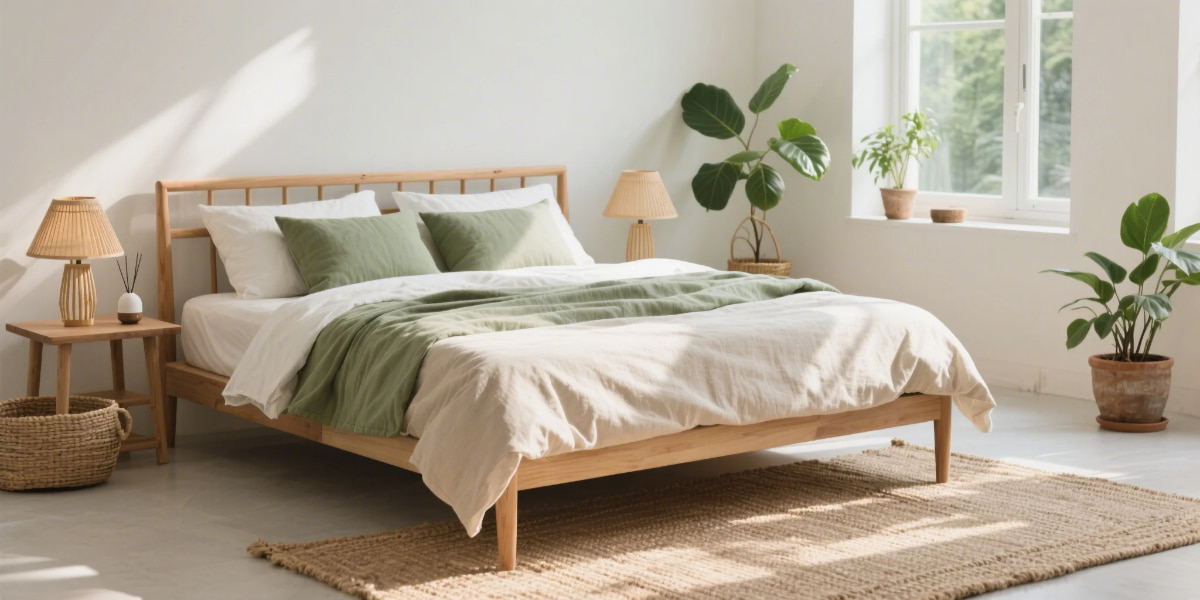
Organic mattresses and bedding are transforming bedrooms across the USA, Canada, the UK, and Europe with eco‑friendly, non‑toxic alternatives that promote better sleep and well-being. By choosing certified organic linens and mattresses, consumers ensure safer, chemical‑free rest, reducing exposure to harmful substances while supporting sustainable production.
🌱 What Makes Bedding “Organic”?
Organic bedding means materials grown without synthetic pesticides, fertilizers, or flame retardants. Certified organic cotton, wool, and latex meet strict standards like GOTS, GOLS, and OEKO‑TEX. These certifications ensure chemical‑free processing from farm to fabric. By choosing organic bedding, you’re committing to green, safe, sustainable sleep.
🛏️ Benefits of Organic Mattresses & Bedding
- Chemical‑Free Sleep Environment
- No VOCs or flame retardant residues in certified materials.
- Hypoallergenic & Better for Sensitive Skin
- Organic cotton and wool resist dust mites and allergens naturally.
- Improved Indoor Air Quality
- Reduced off‑gassing means better breathing and fewer asthma triggers.
- Eco‑Friendly and Renewable
- Sustainable farming practices, biodegradable fabrics, and minimal waste.
- Long‑Term Durability & Value
- High‑quality craftsmanship means organic bedding often lasts longer, saving you money.
♻️ Top Sustainable Materials to Choose
- Organic Cotton: Soft, breathable, GOTS‑certified.
- Organic Wool: Flame-resistant, moisture‑wicking, ideal for cold climates.
- Natural Latex: Durable and best in GOLS‑certified rubber trees.
- Bamboo Lyocell: Sustainable, silky soft, moisture‑absorbent.
- Hemp: Rugged, breathable, pesticide‑free fiber.
🧼 How to Choose the Best Organic Bedding
- Check Certifications: Look for GOTS, GOLS, OEKO‑TEX labels.
- Read Ingredient Lists: Avoid sprays, additives, or blend disclaimers.
- Understand Thread Count: 200–400 TPC is optimal—anything above 600 can trap allergens.
- Source Transparency: Brands should share farm-to-factory sourcing.
- Support Local or Transparent Brands: Prefer companies based in North America or Europe with open supply chains.
🛒 Recommended Brands in 2025
- Brentwood Home – GOTS‑certified organic cotton sheets, USA‑made.
- Avocado Green Mattress – Dual certified (GOTS & GOLS) natural latex mattress.
- Holy Lamb Organics – Handmade wool comforters and pillows, US Appalachians.
- Pottery Barn Kids Organic Linen – Stylish, durable, soft bedding for children.
- Essentia – 100% natural memory foam mattress, sustainably processed.
📦 Care & Maintenance Tips
- Wash cold, gentle cycle: Preserves fabric and certification.
- Hang dry or low heat: Avoid damaging natural fibers.
- Rotate mattresses regularly: Maintain even wear, especially with latex.
- Use organic duvet covers: Protect duvet inserts from wear and oils.
- Freshen with baking soda: Sprinkle, let sit, and vacuum—chemical‑free deodorizer.
FAQs (H2)
Q1: Are organic mattresses worth the extra cost?
Organic mattresses often last longer, are non‑toxic, and boost sleep health. The initial higher price is a long‑term investment in wellness and sustainability—many users report improved sleep and reduced allergy symptoms.
Q2: How do I verify that a bedding product is truly organic?
Look for reliable third‑party certifications like GOTS (Global Organic Textile Standard) or GOLS (Global Organic Latex Standard). Avoid vague terms like “eco” or “natural” without official certification and clear disclosure of materials.
Q3: Can organic bedding help reduce allergies?
Yes. Organic natural fibers resist dust mites and mold. Additionally, they don’t carry chemical residues that can irritate the respiratory system. For those with sensitive skin or asthma, organic bedding often contributes to clearer breathing.
Q4: How often should I clean organic comforters and duvets?
Wash duvet covers every 1–2 weeks. For inserts, air out every few months and wash according to care instructions—usually cold and gentle cycle. Professional cleaning once a year helps preserve wool or down fillings.
Q5: Is a natural latex mattress better than a memory foam mattress?
Natural latex offers greater durability, breathability, and biodegradability than synthetic foams. It’s both firm and springy, ideal for back support. If described as GOLS‑certified natural latex, it’s the greener, healthier choice.
🎯 Call to Action
Ready to sleep green and safe? Explore our curated list of certified organic mattresses, linens, and pillows from trusted brands across the USA, Canada, UK & Europe. Start your journey to cleaner sleep today—click here for exclusive 10% OFF organic bedding bundles!
Related
Discover more from Ecofriendly
Subscribe to get the latest posts sent to your email.


