

Future of Aviation: Can Air Travel Ever Be Eco-Friendly?

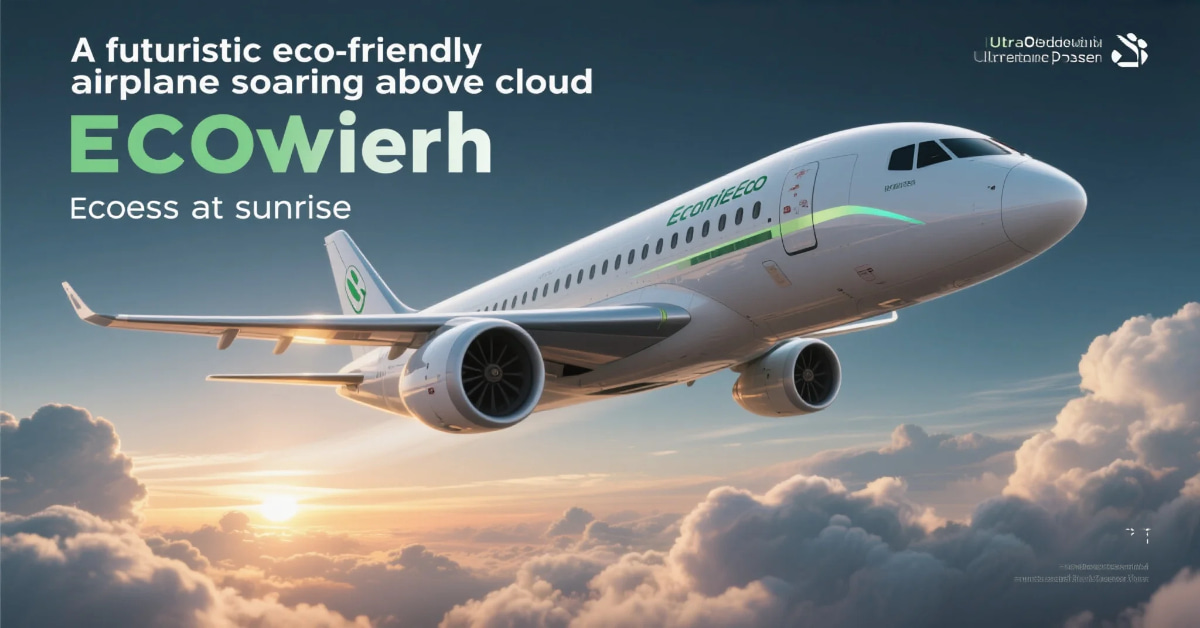
The Future of Aviation is rapidly evolving as airlines, engineers, and governments worldwide explore ways to reduce aviation’s carbon footprint. As climate concerns intensify, air travel’s environmental impact has become a major discussion point. From jet fuel emissions to contrails and nitrogen oxide output, aviation contributes significantly to global warming. This article examines how sustainable aviation, aviation technology trends, next-generation aircraft, and green aviation technologies are shaping the future of air travel, highlighting innovations in the USA, UK, Canada, and Europe.
The Environmental Challenge of Aviation
Aviation is among the most challenging industries to decarbonize. Currently, air travel accounts for roughly 2–3% of global carbon dioxide emissions, and without intervention, emissions are projected to rise as travel demand increases. The Future of Aviation faces several environmental challenges, including:
- Carbon Emissions: Conventional jet engines emit large amounts of CO₂ per passenger per flight.
- Non-CO₂ Impacts: Contrails and nitrogen oxides contribute significantly to climate change.
- Rising Demand: Passenger numbers are expected to double or triple by 2050, increasing environmental pressure.
Addressing these challenges requires coordinated technological, policy, and operational efforts.
Sustainable Aviation Fuel (SAF) and Its Impact
One of the most promising developments in the Future of Aviation is Sustainable Aviation Fuel (SAF).
What is the SAFFuture of Aviation?
SAF is a bio-based or synthetic fuel designed to replace conventional jet fuel, offering a potential reduction in life-cycle CO₂ emissions of up to 70%. Feedstocks include:
- Agricultural waste
- Used cooking oil
- Algae
- Synthetic e-fuels
Benefits of SAF
- Significantly lowers carbon emissions
- Reduces dependence on fossil fuels
- Compatible with existing jet engines
Challenges of SAF
While SAF is promising, scaling production faces challenges:
- Limited feedstock availability
- High production costs
- Infrastructure adaptation at airports
Governments and airlines in Europe, North America, and Canada are investing heavily in SAF pilot projects to accelerate adoption.
Next-Generation Aircraft
The Future of Aviation also depends on the evolution of aircraft design.
Electric Aircraft Future
Electric planes are ideal for short regional routes. They provide near-zero emissions and lower operating costs. Battery energy density remains a limitation, but rapid improvements in lithium-ion and solid-state batteries are promising.
Hydrogen-Powered Aircraft
Hydrogen-powered aircraft offer long-range, zero-emission alternatives to jet fuel. Challenges include hydrogen storage, distribution, and safety regulations. Europe and the USA are testing prototype aircraft targeting commercial operations by the 2040s.
Hybrid Aircraft
Hybrid-electric propulsion systems combine conventional jet engines with electric motors. These designs could reduce fuel consumption by 20–30%, bridging the gap until fully electric or hydrogen planes become feasible.
Smart Airports and Digital Transformation
The Future of Aviation involves not just aircraft but also intelligent infrastructure.
Smart Airports
- AI-driven baggage handling reduces delays and energy use.
- IoT sensors optimize ground operations and taxi times.
- Renewable energy integration powers terminals and ground vehicles.
Digital Transformation in Aviation
- Digital twins of aircraft and airports enhance maintenance efficiency.
- Predictive analytics improves fuel consumption forecasting.
- Automation streamlines passenger experiences while reducing emissions.
Green Aviation Technologies
Green aviation technologies are revolutionizing the industry. Key innovations include:
- Lightweight Materials: Carbon fiber and composites reduce aircraft weight and fuel consumption.
- Aerodynamic Enhancements: Winglets, blended wing-body designs, and adaptive surfaces lower drag.
- Noise Reduction Technologies: Quieter engines and modified flight paths reduce noise pollution in urban areas.
These technologies, combined with SAF and alternative propulsion systems, are paving the way toward eco-friendly air travel.
Regional Insights: USA, UK, Canada, and Europe
- USA: Leading SAF research, electric aircraft startups, and federal incentives.
- UK: Focused on hydrogen-powered aviation and green airport infrastructure.
- Canada: Regional electric flight initiatives and carbon offset programs.
- Europe: Ambitious EU targets for carbon neutrality by 2050, integrated policies, and green technology mandates.
Regional collaboration ensures scalable solutions and global adoption of sustainable aviation.
Barriers to Adoption
Despite innovations, barriers remain:
- High Costs: SAF production, hydrogen storage, and electric batteries are expensive.
- Regulations: Certification and safety standards for new aircraft take years.
- Market Adoption: Airlines may hesitate to invest in unproven technologies without policy support.
Government incentives, carbon pricing, and public-private partnerships are crucial to overcome these hurdles.
Outlook: The Future of Air Travel
The Future of Aviation envisions multiple scenarios:
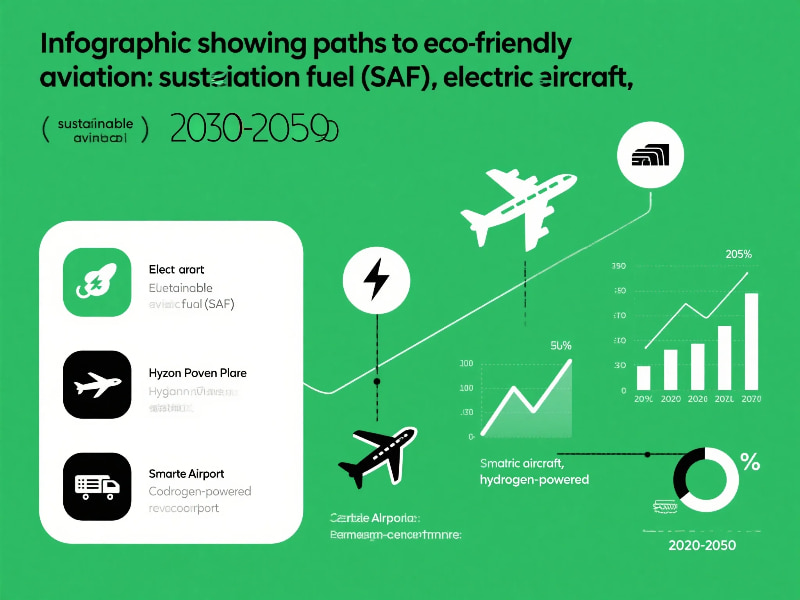
- 2030: SAF accounts for 5–10% of jet fuel usage; hybrid planes serve regional routes.
- 2040: Hydrogen-powered aircraft begin commercial operations; electric aircraft dominate short-haul flights.
- 2050: Most commercial aviation achieves net-zero emissions using SAF, hydrogen, and fully electric technologies.
These projections assume continuous technological innovation, investment, and global cooperation.
Case Studies
- United Airlines (USA): SAF pilot program reducing carbon emissions on select flights.
- Rolls-Royce (UK): Development of hydrogen engines for regional aircraft.
- Harbour Air (Canada): Electric seaplane flights proving zero-emission short-haul travel.
- Airbus (Europe): ZEROe concept hydrogen aircraft aiming for commercial service by 2035.
These initiatives highlight real-world applications of green aviation technologies.
FAQs
Q1: What is the “Future of Aviation” concept?
It refers to the transformation of air travel using sustainable fuels, alternative propulsion, and digital innovation.
Q2: Can electric planes replace jets?
Electric aircraft can serve short routes, but battery technology limits long-range flights.
Q3: When will hydrogen aircraft be commercialized?
Prototype flights exist now, with commercial scale likely by 2040–2050.
Q4: Is SAF sufficient to decarbonize aviation?
SAF is essential but must be combined with new aircraft designs and smart airport operations.
Q5: How can passengers support green aviation?
Choosing airlines that invest in SAF, carbon offsets, and eco-friendly operations helps reduce aviation’s carbon footprint.
Conclusion & Call to Action
The Future of Aviation is not a distant dream but an emerging reality. Through sustainable aviation, aviation technology trends, green aviation technologies, and digital transformation in aviation, we can achieve cleaner, safer, and eco-friendly air travel.
CTA: Subscribe to our newsletter, download the free infographic on “Future of Aviation & Green Flight Paths,” and join the discussion on sustainable air travel in 2050.
Discover more from Ecofriendly
Subscribe to get the latest posts sent to your email.