

Eco-Friendly Diapers in 2025: Cloth and Plant-Based Options for Sustainable Parenting

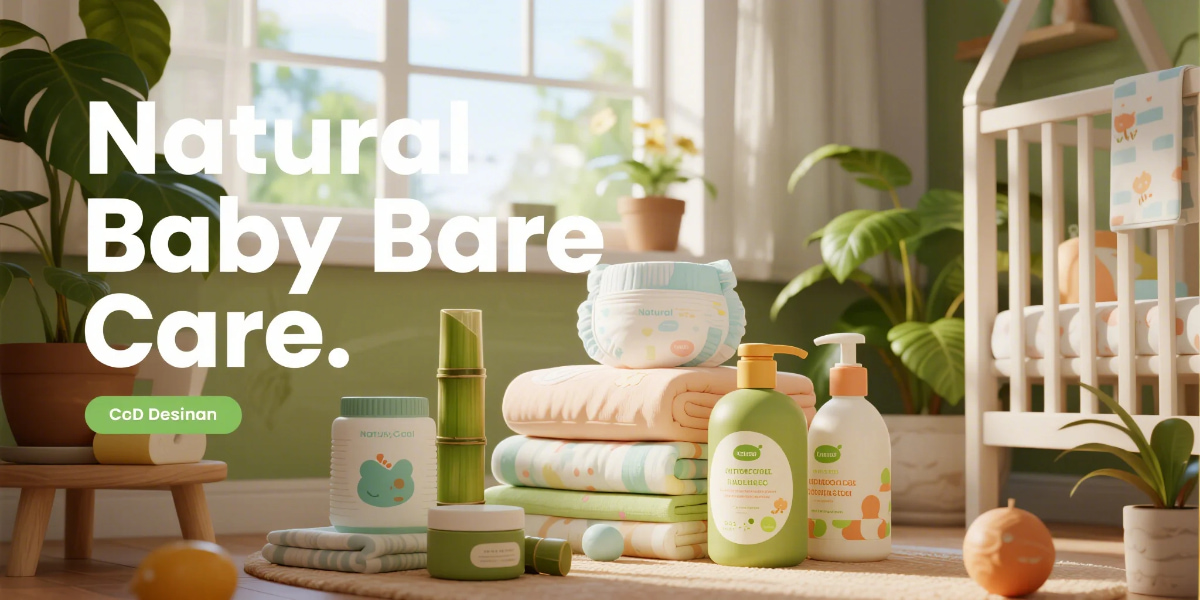
Eco-friendly diapers are becoming increasingly essential for sustainable parenting in 2025, helping to reduce landfill waste while naturally protecting baby health. Across the United States, Canada, the United Kingdom, and Europe, parents are switching to cloth and plant-based diaper alternatives for eco-conscious childcare routines. With millions of disposable diapers piling up annually, the demand for greener solutions has reached unprecedented levels worldwide. Families now prioritize biodegradable, compostable, and reusable diapering options that align with environmental and health-conscious values. This comprehensive guide examines the top eco-friendly diapers of 2025, providing practical solutions for modern, sustainable parenting lifestyles.
Why Eco-Friendly Diapers Matter in 2025
Disposable diapers contribute significantly to landfill waste, with millions discarded daily, especially in North America and Europe. Eco-friendly diapers reduce environmental impact by using plant-based materials, compostable liners, or reusable cloth alternatives for babies. Parents choose these sustainable baby diapers to minimize waste, save money, and protect their children from harsh chemicals. With growing climate concerns, green parenting solutions like eco-friendly diapers are gaining traction in urban and suburban markets alike. Adopting plant-based or reusable diapering habits aligns with global eco-trends and supports healthier lifestyles for future generations.
Top Cloth Diaper Brands for 2025
Cloth diapers are the cornerstone of eco-friendly diapering, offering reusable solutions for families committed to reducing plastic waste. Brands like GroVia, Esembly, and Thirsties lead the cloth diaper market with soft, chemical-free fabrics and leak-proof designs. Modern cloth diapers feature adjustable snaps, organic cotton inserts, and waterproof covers that simplify diapering routines. These sustainable baby diapers save families thousands of dollars over time while preventing tons of landfill contributions. Cloth diapers also offer skin-friendly benefits, reducing rashes and irritation compared to traditional disposables with synthetic layers.
Plant-Based Disposable Diapers: Convenience Meets Sustainability
Plant-based disposable diapers combine eco-conscious materials with the convenience of single-use solutions for busy parents. Brands like Eco Pea Co., Dyper, and Andy Pandy create biodegradable diapers using bamboo, corn fiber, and plant-based liners. These biodegradable diapers for babies break down faster in landfills, minimizing long-term environmental impact compared to conventional brands. Plant-based baby products ensure softness, breathability, and chemical-free protection, keeping babies safe and comfortable throughout the day. In 2025, parents increasingly choose plant-based disposables for travel, daycare, or situations where cloth diapering isn’t practical.
Infographic: Comparing Diaper Types
| Diaper Type | Eco Impact | Cost Over Time | Convenience Level |
|---|---|---|---|
| Cloth Diapers | Very Low Waste | Lower Long-Term | Requires Washing |
| Plant-Based Disposables | Reduced Waste | Moderate | High Convenience |
| Traditional Disposables | High Waste | High Long-Term | Most Convenient |
Essential Features of Eco-Friendly Diapers
When shopping for eco-friendly diapers, prioritize materials, certifications, and overall waste reduction potential for better sustainability. Look for diapers made from organic cotton, bamboo, or other renewable fibers that break down naturally without harming ecosystems. Choose products certified by OEKO-TEX, GOTS, or USDA BioPreferred to ensure non-toxic, skin-safe, and earth-friendly compositions. Consider hybrid diaper systems, which combine reusable covers with compostable inserts for versatile, sustainable parenting solutions. Parents can now select diapers tailored to lifestyle needs, balancing convenience with eco-responsibility in everyday childcare routines.
Tools & Resources Links:
FAQs:
Q1: Are eco-friendly diapers better for babies?
Yes, eco-friendly diapers use natural materials free from harmful chemicals, reducing irritation and diaper rash risks.
Q2: How do plant-based diapers decompose?
Plant-based diapers break down faster in landfills compared to traditional plastics, often degrading within months under composting conditions.
Q3: Are cloth diapers cost-effective?
Yes, cloth diapers save families significant money over time, especially when reused for multiple children.
Q4: Can I use cloth diapers part-time?
Absolutely! Many parents combine cloth diapers at home with plant-based disposables for travel and daycare convenience.
CTA (Call To Action):
Ready to make the switch to eco-friendly diapers?
Explore cloth and plant-based options to create a greener, healthier diapering routine for your baby in 2025!
Related
Discover more from Ecofriendly
Subscribe to get the latest posts sent to your email.
Cloth diapers have come such a long way it’s amazing how modern brands combine comfort, style, and sustainability. Families not only save money but also make a meaningful choice for their baby’s health and the planet’s future.
Thank you for sharing your thoughts! Absolutely—cloth diapers today truly combine comfort, savings, and sustainability for families everywhere.