

Climate Change and Food Security Explained

Introduction
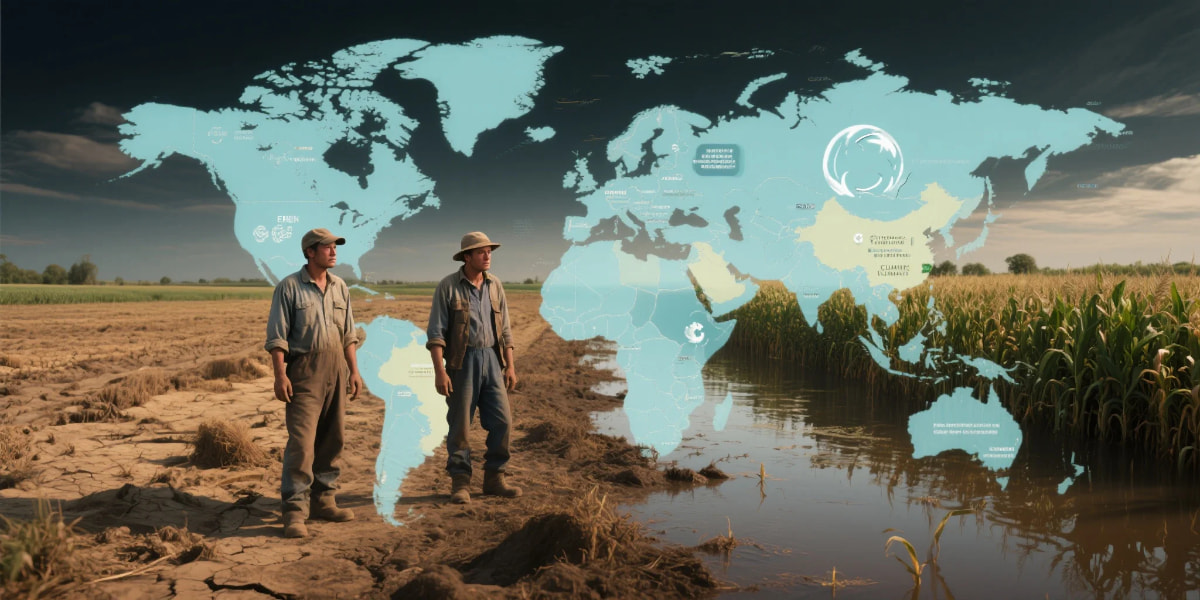
Climate Change and Food Security Explained is one of the most urgent global discussions of our time. Climate change is no longer a distant environmental issue. Instead, it has become a direct threat to how food is grown, distributed, and consumed worldwide. Rising temperatures, unpredictable rainfall, prolonged droughts, and extreme weather events are reshaping global food systems faster than many experts anticipated.
As a result, food security is under increasing pressure—not only in developing countries but also in advanced economies like the United States, Canada, the United Kingdom, and across Europe. Food prices are rising, supply chains are becoming unstable, and farmers are struggling to adapt. Understanding the connection between climate change and food security is essential for policymakers, businesses, and individuals alike.
How Climate Change Affects Food Security
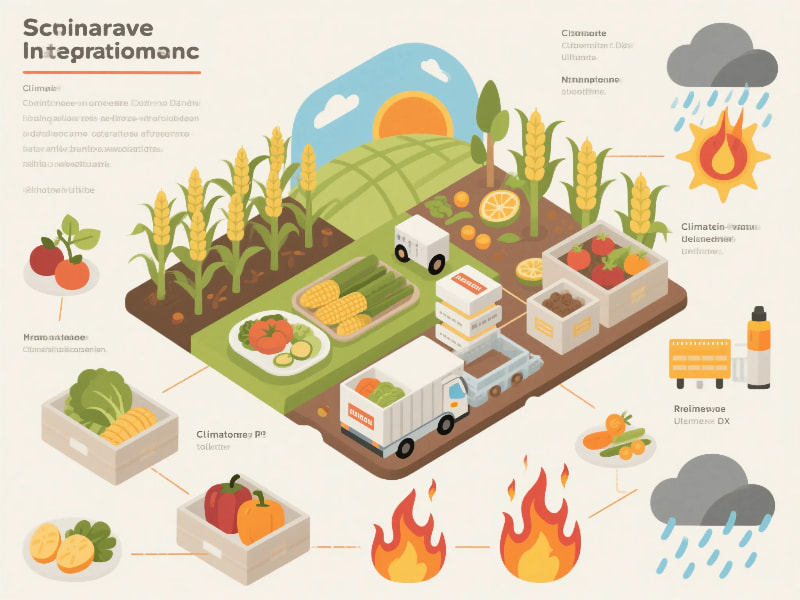
At its core, food security depends on four key pillars: availability, access, utilization, and stability. Climate change directly threatens all four. When crops fail due to drought or floods, food availability declines. When production costs increase, food prices rise, limiting access for low- and middle-income households.
Climate Change and Food Security Explained shows that climate-driven disruptions are becoming more frequent. Extreme weather events damage crops, reduce livestock productivity, and disrupt transportation networks. Over time, these challenges weaken the resilience of entire food systems.
Climate Change and Agricultural Productivity
Agriculture is highly sensitive to climate conditions. Even small changes in temperature or rainfall can significantly impact crop yields. In recent years, farmers have faced shorter growing seasons, soil degradation, and increased pest outbreaks due to warming temperatures.
In the United States, prolonged droughts in California and the Midwest have reduced yields of fruits, vegetables, corn, and wheat. In Canada, unpredictable frost patterns and soil erosion have affected grain production. Meanwhile, Europe and the UK have experienced severe floods and heatwaves, which have damaged crops and delayed harvests.
These patterns clearly demonstrate why Climate Change and Food Security Explained is a critical topic for developed nations as well as emerging economies.
Food Prices, Inflation, and Economic Pressure
One of the most visible impacts of climate change on food security is rising food prices. When supply decreases, and demand remains constant, prices increase. Climate-related crop failures often lead to global price spikes, affecting consumers everywhere.
In recent years, households in the USA, Canada, and Europe have experienced noticeable food inflation. Staple items such as grains, dairy products, and fresh produce have become more expensive. For vulnerable populations, these price increases can lead to reduced dietary quality and nutritional deficiencies.
Therefore, Climate Change and Food Security Explained highlights that food insecurity is no longer limited to scarcity—it also includes affordability.
Climate Change, Nutrition, and Health
Food security is not only about having enough food but also about access to nutritious food. Climate change can reduce the nutritional quality of crops by altering soil conditions and increasing carbon dioxide levels. Studies suggest that higher CO₂ concentrations can lower the protein, zinc, and iron content in staple crops like wheat and rice.
As a result, climate change indirectly contributes to malnutrition and long-term health risks. In developed countries, this may appear as increased reliance on ultra-processed foods, which are often cheaper but less nutritious. This trend further emphasizes why Climate Change and Food Security Explained is relevant to public health discussions.
Sustainable Food Systems as a Long-Term Solution
Addressing food security under climate pressure requires a transition to sustainable food systems. Climate-smart agriculture, regenerative farming, and improved water management can significantly reduce environmental impact while maintaining productivity.
Sustainable practices include crop diversification, soil restoration, reduced chemical use, and efficient irrigation systems. These approaches help farms become more resilient to climate shocks. According to experts, investing in sustainable agriculture is one of the most effective ways to protect future food supplies.
Climate Change and Food Security Explained strongly supports sustainability as a practical and scalable solution.
The Role of Technology and Innovation
Technology plays a crucial role in strengthening food security in a changing climate. Precision agriculture, artificial intelligence, and data-driven farming allow producers to optimize inputs and reduce waste. Vertical farming and controlled-environment agriculture are gaining popularity in urban areas across the USA and Europe.
Additionally, innovations such as drought-resistant crops and alternative protein sources are helping reduce pressure on traditional farming systems. These technologies demonstrate how innovation can support food security while reducing climate risks.
Government Policies and Global Cooperation
Governments and international organizations are central to addressing climate-related food insecurity. Policies that support sustainable agriculture, reduce emissions, and protect farmers are essential. Programs such as the EU Green Deal, USDA Climate-Smart Agriculture initiatives, and UK Net Zero strategies aim to create more resilient food systems.
However, no single country can solve this issue alone. Global cooperation is required to stabilize food markets, share technology, and support climate adaptation efforts. This is another key insight emphasized in Climate Change and Food Security Explained.
What Individuals Can Do
While climate change and food security may seem like large-scale issues, individual actions also play a significant role. Reducing food waste, choosing sustainably sourced products, and supporting local farmers can make a measurable difference. Consumers in developed countries play a powerful role in shaping food systems through their purchasing decisions.
By making informed choices, individuals contribute to more resilient and sustainable food networks.
Conclusion
Climate Change and Food Security Explained reveals a complex but unavoidable reality: climate change is transforming the global food system. From agricultural productivity and food prices to nutrition and public health, the impacts are widespread and deeply interconnected.
Developed nations, such as the USA, Canada, the UK, and those in Europe, are not immune. However, with sustainable practices, technological innovation, and strong policy support, food security can be protected even in a changing climate. Understanding this connection is the first step toward meaningful action—and the time to act is now.
Discover more from Ecofriendly
Subscribe to get the latest posts sent to your email.


