

Circular Fashion Model Explained: How It’s Reshaping the Future of Sustainable Clothing

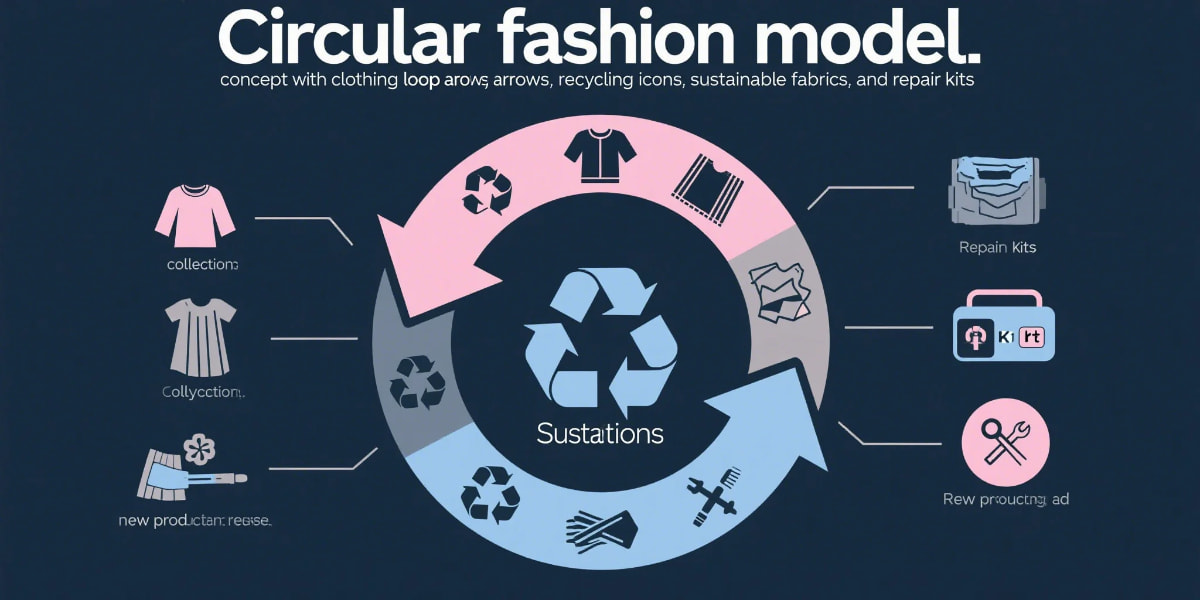
The circular fashion model in 2025 is transforming how we create, use, and discard clothing, offering a sustainable future for the global fashion industry. Instead of fast fashion’s wasteful cycle, circularity prioritizes reuse, recycling, and responsible production. In this guide, we’ll explain how this model works, why it matters, and how it’s reshaping fashion across the USA, Canada, the UK, and Europe.
What Is the Circular Fashion Model?
The circular fashion model refers to a clothing production and consumption cycle designed to reduce waste and maximize resource efficiency.
🔁 Key principles of the circular include:
- Designing out waste and pollution
- Keeping products and materials in use for as long as possible
- Regenerating natural systems through sustainable practices
Instead of linear “take-make-dispose” systems, circular fashion emphasizes reuse, repair, remanufacturing, and recycling.
🛠 Brands like Patagonia, Eileen Fisher, and Stella McCartney are already pioneering this model by producing recyclable clothing and buy-back programs.
🌎 Why the Circular Fashion Model Matters in 2025
📉 Reduces Textile Waste Globally
Over 92 million tons of textile waste are generated yearly, mostly ending up in landfills or incinerators. The circular fashion model cuts this dramatically.
💧 Minimizes Water and Chemical Usage
Producing new fabrics is water-intensive. Closed-loop systems reduce environmental impact by reusing materials and reducing harmful dye runoff.
🧶 How the Fashion Model Works Step-by-Step
🧵 1. Eco-Conscious Design
Designers use recyclable materials like organic cotton, bamboo, or recycled polyester to ensure end-of-life recyclability and durability.
🔧 2. Repair & Reuse Infrastructure
Brands and local shops offer repair services. Platforms like The Renewal Workshop and ThredUp promote secondhand clothing reuse.
♻️ 3. Textile Recycling
Fabrics are broken down and spun into new yarn—this supports closed-loop manufacturing and zero-waste production.
📦 4. Return & Resale Programs
Major brands now provide take-back systems and resell gently used products on dedicated secondhand platforms.
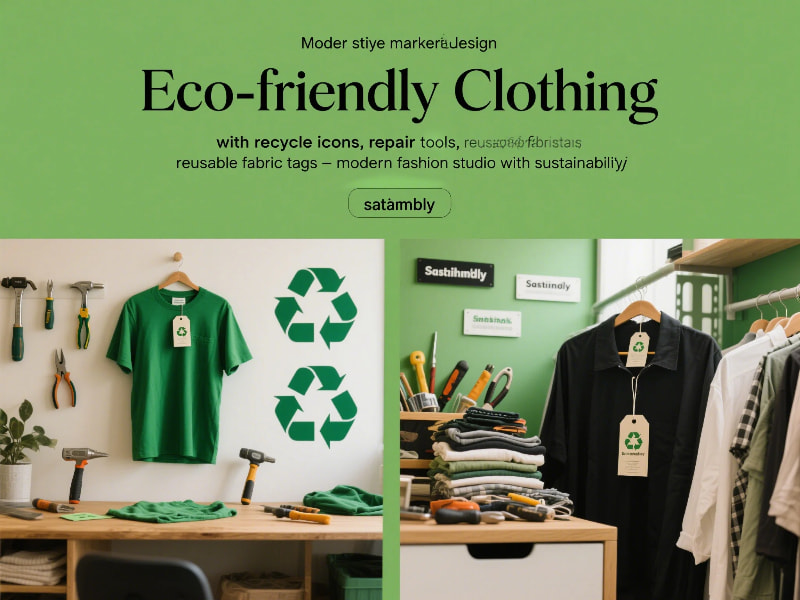
🧭 Infographic: Lifecycle of a Circular Fashion Product
Flow:
Design ➜ Produce ➜ Wear ➜ Repair ➜ Reuse ➜ Return ➜ Recycle ➜ Remake
🟢 Less Water | 🟢 Less Waste | 🟢 Lower Carbon
(Insert vertical infographic with the above flow and icons for each phase)
🛒 Tools & Platforms Supporting Circular Fashion
- 🌐 ThredUp Resale Platform
- 🧵 The Renewal Workshop
- 🛍 Patagonia Worn Wear
- ♻️ Eileen Fisher Renew
- 🌿 Green Story Carbon Offset Tool
🙋 FAQs: Circular Fashion Model
❓ What’s the difference between circular fashion and sustainable fashion?
Circular fashion is a structured system focusing on reuse and recycling, while sustainable fashion broadly covers ethical sourcing and low-impact materials.
❓ Can fast fashion brands adopt the circular model?
Yes, but only if they restructure their production, reduce overproduction, and implement closed-loop systems for reuse and recycling.
❓ Is secondhand clothing part of circular fashion?
Absolutely. Thrift shopping, upcycling, and secondhand markets are core components of the fashion model.
❓ How do I identify circular fashion products?
Look for eco-certifications (GOTS, OEKO-TEX), resale guarantees, or product passports showing lifecycle and recyclability details.
📣 CTA – Join the Fashion Revolution in 2025
Want to make your wardrobe circular?
👚 Shop secondhand | ♻️ Choose brands with take-back programs | 🧵 Learn to repair | 🌍 Support eco-fashion innovators!
📤 Share your journey using #CircularFashionModel and tag your favorite ethical brands!
✅ Conclusion: The Circular Model Is the Future of Fashion
The circular fashion model offers a sustainable solution to one of the most polluting industries—fashion. With rising environmental awareness in the USA, Canada, the UK, and Europe, consumers and brands alike are adopting practices that reduce textile waste, promote reuse, and prioritize ethical production. Join the movement now and become part of a greener, smarter fashion future.
