Bilberry Health Benefits & Properties: Nutrients, Uses & What It Doesn’t Cure

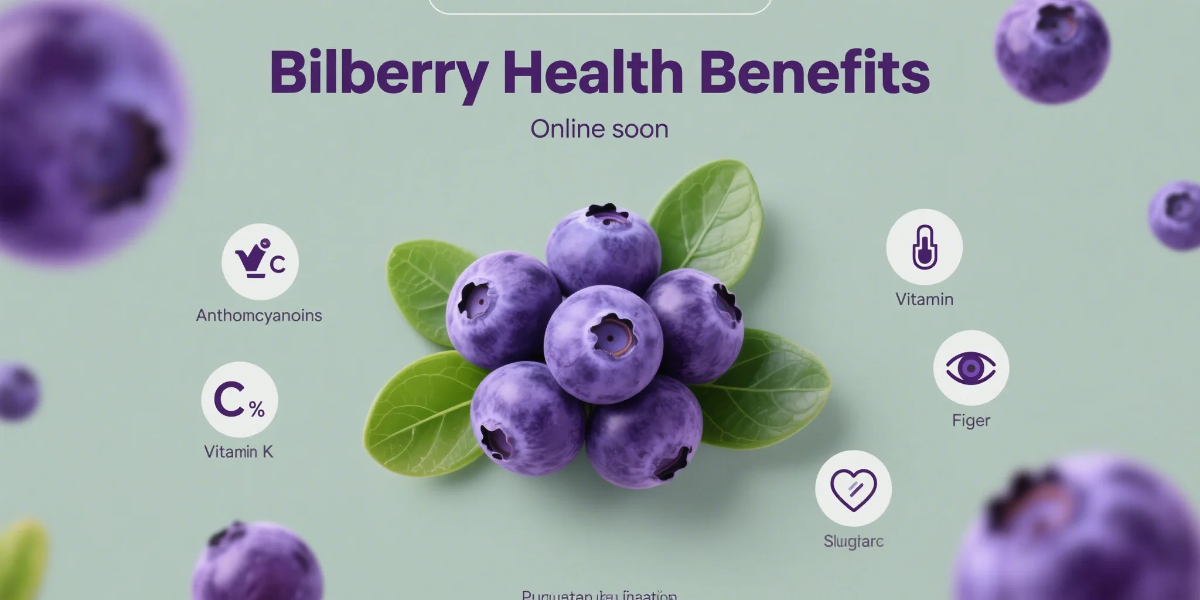
The bilberry health benefits theme centers on Vaccinium myrtillus, rich in anthocyanins, phenolic acids, flavonoids, vitamins, and fiber, offering antioxidant and circulatory support while clarifying that bilberry does not cure diseases.
🌿 What Are the Nutritional Properties Behind Bilberry Health Benefits?
Bilberry fruit is a top natural source of anthocyanosides, flavonoids, phenolic acids, tannins, vitamins A, C, and K, plus dietary fiber and essential minerals. These nutrients contribute to antioxidant, anti‑inflammatory, and vascular support effects
Key Bilberry Health Benefits (Science‑Backed Uses)
Antioxidant & Anti‑Inflammatory Power of Bilberry
The anthocyanins in bilberry health benefits research show strong free radical scavenging and modulation of inflammatory pathways such as NF‑κB and cytokines
Supports Heart Health, Circulation & Cholesterol
Clinical studies and meta‑analyses indicate bilberry extract lowers total and LDL cholesterol, raises HDL, improves endothelial function and circulation, important for heart health and peripheral vascular support
Blood Sugar Control & Metabolic Regulation
Bilberry supplementation (often with blackcurrant) has been shown to reduce fasting blood glucose by ~8.5 % and HbA1c by ~4.7% in subjects with type 2 diabetes in controlled studies
Eye Support & Vision Function
Historically used to relieve night vision and eye strain, current reviews find no conclusive evidence that bilberry cures night blindness or glaucoma, although it may reduce fatigue
Gastrointestinal Relief & Capillary Integrity
Tannins and polyphenols in bilberry help manage diarrhea, inflammation, and capillary fragility. One study suggests bilberry may aid ulcerative colitis remission through anti‑inflammatory action
Skin Health & Anti‑Aging Benefits
A clinical trial found fermented bilberry extract improved skin firmness, complexion, elasticity, and reduced signs of aging via antioxidant and inflammation reduction pathways
Cognitive Protection & Neuroprotection
Animal and limited human data suggest that bilberry anthocyanins reduce oxidative stress in neurons and may help memory and cognition, promising for Alzheimer’s prevention, but not proven
Anticancer & Antimicrobial Effects
In vitro and animal research on bilberry compounds show antiproliferative effects against breast, colon and liver cancer cells, plus antimicrobial activity—yet human proof is lacking
What Bilberry Doesn’t Cure
Despite traditional claims, bilberry health benefits do not extend to curing diabetes, cancer, Alzheimer’s, heart disease or vision disorders. National health authorities do not recognize bilberry as a treatment for any disease. Evidence quality remains insufficient due to small trials or preliminary findings without large‑scale clinical validation
Safety, Interactions & Usage Guidelines
Bilberry is generally safe when consumed in food quantities. Supplements may cause mild gastrointestinal discomfort or allergic reactions. It may interact with blood thinners or diabetes medications, potentially increasing bleeding or hypoglycemia risk. Discontinue two weeks before surgery. Pregnant or breastfeeding individuals should avoid supplements due to a lack of safety data. Choose third‑party tested, standardized extract (e.g. ≥36 % anthocyanosides) when supplementing
Summary Table of Bilberry Health Benefits
| Benefit Area | Evidence Level | Notes |
|---|---|---|
| Antioxidant & anti‑inflammatory | Moderate (lab + small trials) | Anthocyanins reduce oxidative stress |
| Heart & lipid metabolism | Moderate (clinical studies) | LDL/HDL improvement, endothelial support |
| Blood sugar & metabolic control | Preliminary (small human studies) | Reduction in HbA1c and fasting glucose |
| Eye health & vision fatigue | Weak (traditional + limited data) | No confirmed night vision cure |
| GI & capillary support | Preliminary (limited trials) | May relieve diarrhea and vascular fragility |
| Skin & anti‑aging | Small clinical study | Improved elasticity, complexion |
| Cognitive/neuroprotection | Early-stage (animal/human data) | Promising but unconfirmed |
| Anticancer & antimicrobial | Preclinical only | No human therapeutic data |
❓ FAQs
Q1: What are the main bilberry health benefits?
Bilberry supports antioxidant protection, heart health, blood sugar regulation, skin anti‑aging, digestion and cognition—but does not cure diseases.
Q2: Can bilberry cure diabetes or vision problems?
No—current evidence does not validate bilberry as a cure for diabetes or eye diseases; benefits remain limited and preliminary.
Q3: What is the recommended daily dosage?
Typical supplements deliver 40–100 mg anthocyanin-rich extract; dried berries 20–60 g per day. No standard dosage is established. Consult a healthcare provider.
Q4: Are bilberry supplements safe?
Generally, yes when used appropriately. Avoid if you have tannin sensitivity, are pregnant, breastfeeding, or taking blood‑thinning/diabetes medication without medical advice.
Q5: Which form is most effective—juice, powder, or extract?
Standardized extract (≥36% anthocyanosides) offers consistent dosing for health benefits vs. variable juice or powder forms.
In summary, bilberry offers scientifically supported bilberry health benefits such as antioxidant protection, metabolic support, and circulatory and digestive benefits. Yet it is not a cure for any disease. When sourced responsibly—for example, wild bilberries or standardized extracts—and used in moderation or a dietary context, it can be a healthful complement to broader wellness efforts. Always discuss supplementation with a healthcare provider, particularly if you have underlying health conditions or take medications.
🎯 CTA
Explore how bilberry health benefits can be part of your wellness strategy. Download verified studies, find trusted supplements, recipes, consumer tools—and remember to consult your healthcare provider before starting bilberry supplements.
Related
Discover more from Ecofriendly
Subscribe to get the latest posts sent to your email.