

Healthy Sleep: Night Routines That Actually Work

🛌 Introduction: Why Healthy Sleep Matters
Healthy Sleep is more than closing your eyes; it is the foundation of a productive, energized, and balanced lifestyle every day.
Many people in the USA, UK, Canada, and Europe struggle with restless nights due to stress, digital distractions, and poor sleep habits.
Studies show that Healthy Sleep directly impacts heart health, weight management, immune strength, and mental focus during daytime activities. To improve your life, let us explore practical night routines that make Sleep Hygiene a consistent reality for modern lifestyles worldwide.
🌙 Building the Foundation for Healthy Sleep
Developing consistent routines helps signal your body when it is time for rest, improving your sleep quality and long-term wellness.
A carefully structured evening plan prepares your brain and body for restorative slumber, ensuring Healthy Sleep throughout the night naturally. Creating a strong foundation requires aligning your lifestyle with natural circadian rhythms, which improves both nighttime recovery and daytime productivity. With steady practice, these foundational steps transform restless nights into restorative sleep, building resilience, health, and emotional stability consistently.
⏰ Setting a Consistent Bedtime for Healthy Sleep
Your circadian rhythm thrives on predictable sleep schedules, which guide your body’s internal clock toward optimal sleep cycles daily. Maintaining the same bedtime even on weekends enhances the effectiveness of Sleep Hygiene and reduces insomnia symptoms significantly. Consistency reinforces your natural sleep-wake cycle, promoting balanced energy, improved memory, and reduced risk of chronic conditions globally. Additionally, having a regular wake-up time supports hormone balance, helping your body feel energized and alert throughout the entire day.
📱 Reducing Screen Time Before Bed
Bright screens disrupt melatonin, the hormone that regulates Healthy Sleep, by tricking your brain into staying alert late at night. Replace digital scrolling with mindful alternatives like reading physical books or practicing meditation for deeper relaxation nightly. Using blue light filters and scheduling screen-free time 90 minutes before bed encourages natural melatonin release and faster sleep onset. Turning off notifications in the evening prevents distractions that trigger stress, ensuring your mind stays calm before sleeping naturally. When digital boundaries become part of your lifestyle, the likelihood of achieving Sleep Hygiene every night increases significantly.
🧘 Relaxation Techniques That Promote Healthy Sleep
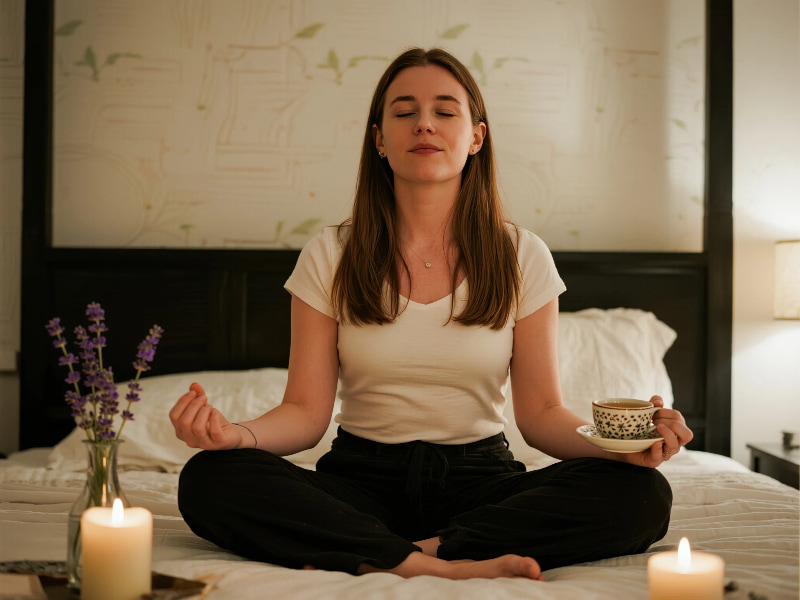
Progressive muscle relaxation and deep breathing help reduce stress hormones, preparing your body for Healthy Sleep consistently. Mindfulness meditation lowers anxiety, clears intrusive thoughts, and calms neural activity, promoting a peaceful transition into sleep. Practices such as yoga, journaling, and gratitude writing allow mental decompression, encouraging restful slumber every night naturally. Guided breathing apps and body scans can further deepen relaxation, making your body more receptive to Sleep hygiene evening. Developing a bedtime relaxation ritual trains your nervous system to associate specific activities with sleep, reinforcing a lasting habit.
☕ Managing Diet and Caffeine Intake
Heavy meals or late caffeine intake delay Healthy Sleep by stimulating digestion and elevating alertness levels during nighttime hours. Experts recommend avoiding caffeine after 2 p.m. to give your body sufficient time to metabolize and restore calm before bedtime. Drinking calming teas like chamomile or sipping warm milk sends sleep-inducing signals to your brain, enhancing overall natural sleep quality. Reducing sugar and processed food intake also benefits Sleep Hygiene, as unstable blood sugar may lead to midnight awakenings. A light, nutrient-rich evening snack, such as a banana with nut butter, can help stabilize energy levels, supporting uninterrupted rest.
🕯️ Creating the Perfect Bedroom Environment
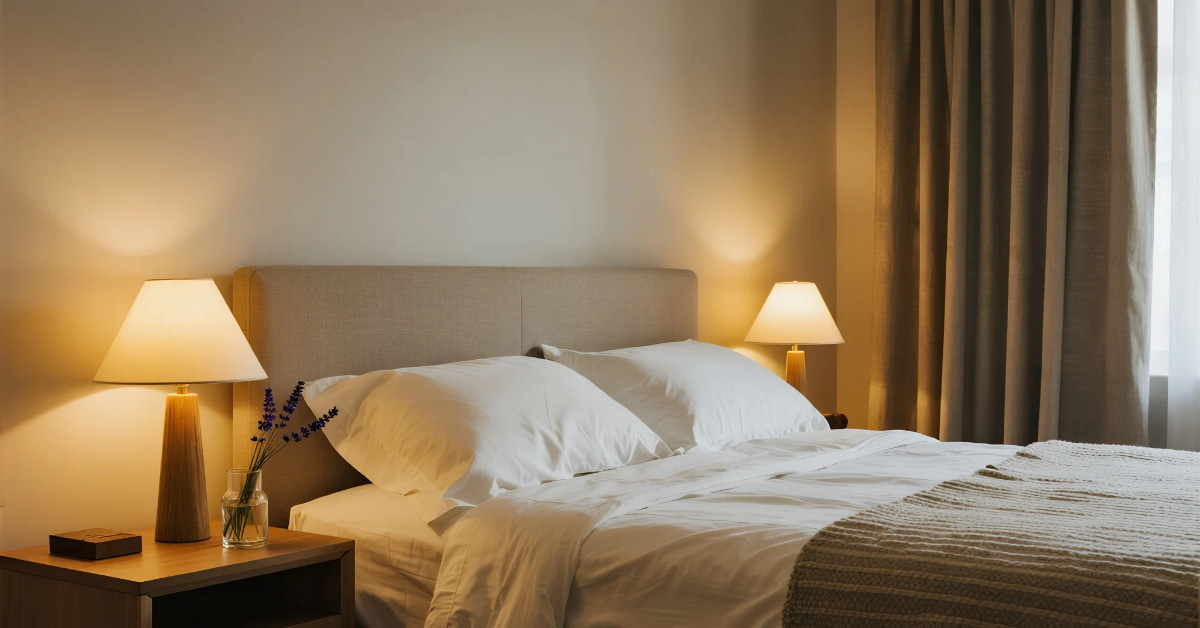
Darkness, cool temperatures, and silence are essential for Healthy Sleep; they encourage melatonin release and deeper sleep cycles. Use blackout curtains, comfortable mattresses, and supportive pillows to reduce discomfort, enabling longer and more restorative rest. Aromatherapy with lavender or chamomile essential oils promotes relaxation and improves bedtime rituals by soothing the nervous system. White noise machines or calming soundtracks can mask disruptive background noise, keeping your environment peaceful for Sleep Hygiene. Investing in breathable bedding materials helps regulate body temperature, preventing overheating that often disrupts sleep during warmer nights.
🖼️ Visualization and Mental Preparation
Visualizing peaceful landscapes or repeating calming affirmations transitions your mind into Healthy Sleep without unnecessary distractions nightly. Mental rehearsal reduces racing thoughts, grounding your brain in relaxation patterns that support consistent, deeper rest cycles daily. Visualization is particularly effective for individuals with anxiety, encouraging them to build positive mental associations with bedtime. Guided imagery apps can make visualization more effective, giving structure and consistency to your Sleep Hygiene practice every evening. Over time, this technique conditions your brain to respond faster, creating a powerful trigger that leads directly to deeper rest.
📖 Journaling to Clear the Mind
Writing down thoughts before bed helps declutter your brain, supporting Sleep Hygiene by releasing mental stress and evening worries naturally. Gratitude journals create positive emotions, signaling your body that it is safe, allowing deeper relaxation, and encouraging restorative rest. Consistently writing a bedtime journal can also improve self-awareness, helping you notice patterns that may interfere with Healthy Sleep. Documenting your evening routines can help reinforce good habits, providing accountability and motivation to maintain a balanced sleep lifestyle.

🛀 Bedtime Rituals That Actually Work
Taking warm showers lowers core body temperature afterward, promoting Healthy Sleep by preparing your body for cooling rest cycles. Listening to calming instrumental music triggers brainwave changes, guiding your body into deeper relaxation and preparing for nightly rest. Repeating rituals like brushing teeth, skincare, and dimming lights signals your nervous system consistently that sleep time has arrived. Adding small comforts like herbal tea or soft reading light enhances these rituals, creating a comforting routine that promotes Sleep Hygiene Over time, these repeated actions become powerful cues that train your body to relax quickly and fall asleep effortlessly.
🔧 Tools and Apps to Improve Healthy Sleep
Here are tested tools to help improve sleep quality:
- Calm App – Guided meditations and sleep stories to reduce anxiety. (🔗 https://www.calm.com)
- Headspace – Mindfulness tools to prepare the brain for rest. (🔗 https://www.headspace.com)
- Fitbit Sleep Tracking – Monitors cycles and provides insights into Healthy Sleep. (🔗 https://www.fitbit.com)
- f.lux – Blue light filter for computers. (🔗 https://justgetflux.com)
- Using these tools regularly not only builds awareness but also ensures consistency, which is critical for maintaining long-term Healthy Sleep.
- Pairing technology with natural habits provides a balanced approach, maximizing effectiveness while supporting sustainable lifestyle changes for sleep.
🧩 Lifestyle Adjustments That Enhance Sleep
Regular exercise promotes Healthy Sleep, but evening workouts should remain light to avoid over-stimulating the nervous system daily. Limiting alcohol before bed prevents sleep fragmentation, ensuring continuous cycles that support rejuvenation and next-day performance worldwide. Prioritizing mental health reduces nighttime stressors, helping your body align naturally with restorative sleep cycles consistently in the long term. Creating a balanced work-life schedule can prevent burnout, which often disrupts sleep and reduces overall wellness in daily routines. Staying hydrated throughout the day while minimizing late-night water intake prevents frequent awakenings, further improving Healthy Sleep quality.
❓ FAQs
Q1: How many hours are needed for Sleep Hygiene?
Most adults need 7–9 hours of Healthy Sleep for optimal functioning, depending on age, lifestyle, and personal health needs.
Q2: Can naps replace Sleep Hygiene at night?
Short naps boost alertness but cannot replace continuous Healthy Sleep, which is necessary for deep restoration and memory consolidation.
Q3: Does exercising at night harm Healthy Sleep?
Light stretching or yoga supports Healthy Sleep, but vigorous late workouts can increase alertness, delaying restful slumber naturally.
Q4: What natural remedies improve Sleep Hygiene?
Chamomile tea, magnesium supplements, lavender aromatherapy, and mindfulness practices are proven methods for enhancing overall healthy sleep.
Q5: Can technology help track Healthy Sleep?
Yes, apps and wearable devices monitor sleep cycles, identify disturbances, and suggest adjustments that improve long-term Healthy Sleep effectively.
📢 CTA (Call-to-Action)
Ready to transform your nights into peaceful rest? Start applying these routines today for Healthy Sleep and improved daily energy.
Share this article with friends, explore recommended tools, and take one small step tonight toward consistent restorative sleep.
📝 Expanded Conclusion
Healthy Sleep is not a luxury—it is essential for physical health, mental clarity, and emotional balance in daily life.
By creating consistent night routines, reducing screen time, optimizing environments, and practicing relaxation techniques, anyone can achieve Sleep Hygiene. Small, intentional habits practiced nightly create lasting transformations, empowering you to wake refreshed, motivated, and ready for life’s challenges worldwide. Beyond physical benefits, Healthy Sleep also sharpens focus, elevates creativity, and strengthens resilience against daily stressors in demanding modern lifestyles. Making these routines part of your everyday schedule ensures long-term health and well-being, allowing you to thrive both personally and professionally.
Discover more from Ecofriendly
Subscribe to get the latest posts sent to your email.